Food Packaging Industry Accelerates Green Transition: Bio-Based Materials Become New Market Trend
As global environmental awareness continues to rise and plastic restriction policies are deeply implemented, the food packaging industry is undergoing a profound green transformation. Bio-based materials, as ideal alternatives to traditional plastics, are accelerating their entry into the food packaging sector, injecting new momentum into the industry's sustainable development.
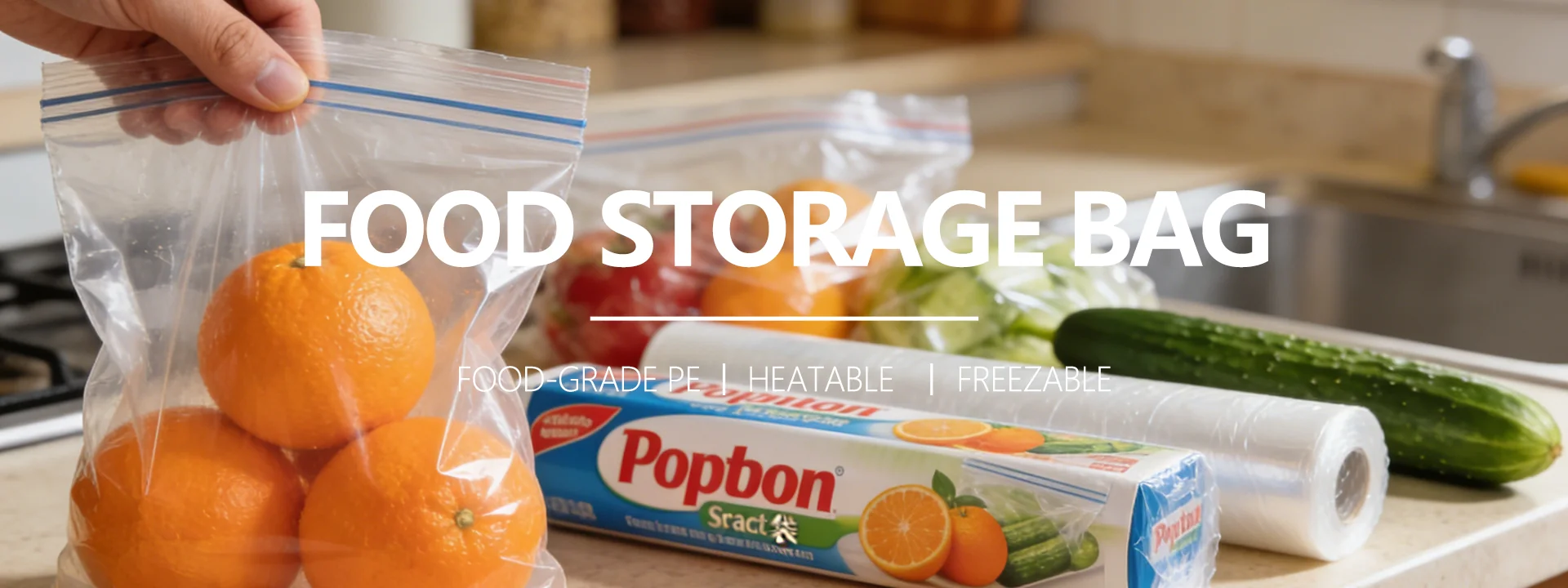
Bio-based materials refer to materials produced from renewable biomass as raw materials through biological, chemical, or physical methods. Bio-based plastics such as polylactic acid (PLA) and polyhydroxyalkanoates (PHA) have been widely used in food packaging, tableware, cling wrap, ziplock bags, and other fields due to their excellent biodegradability and food contact safety. Compared with traditional petrochemical-based plastics, bio-based materials can naturally decompose under specific conditions after disposal, significantly reducing environmental pollution.
According to industry research institutions, the global bio-based packaging materials market exceeded 10 billion USD in 2025, and is expected to continue expanding at a compound annual growth rate of 15% by 2030. In the Chinese market, with the improvement of waste sorting systems and enhanced consumer environmental awareness, the demand for bio-based food packaging is showing rapid growth. Bio-based alternative products in segments such as cling wrap, ziplock bags, and disposable tableware are increasingly abundant.
From a technical perspective, the performance of bio-based materials continues to improve. Taking PLA as an example, heat-resistant PLA film treated with modification technology can already meet microwave heating requirements, breaking through the technical bottlenecks of early bio-based materials in food packaging applications. At the same time, new bio-based materials such as PHA, with their excellent low-temperature resistance and marine degradation characteristics, are showing broad application prospects in the frozen food packaging sector.
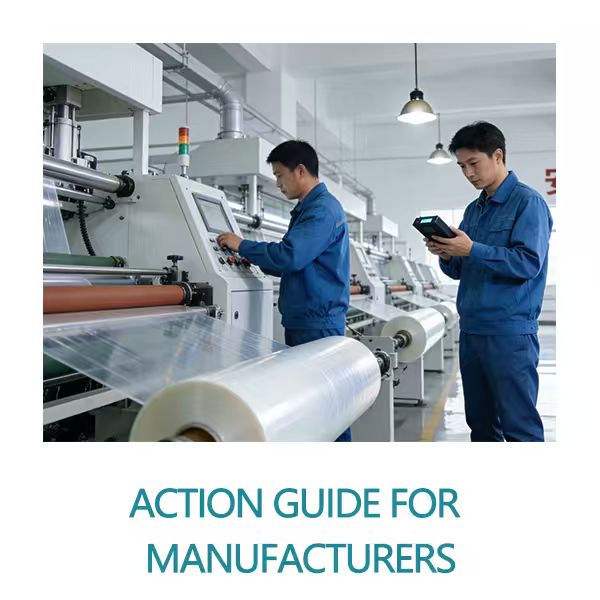
For food packaging enterprises, entering the bio-based materials sector is both a necessary response to policy calls and a strategic move to capture market opportunities. Industry experts suggest that enterprises should strengthen cooperation with research institutions, continuously invest in material research and development, and pay attention to diversified customer demands for eco-friendly packaging, gaining competitive advantages through product innovation.
In this wave of green transformation, bio-based materials are shifting from "optional" to "essential." Only by proactively embracing change can the food packaging industry maintain its competitive edge in fierce market competition.