With the continuous improvement of global environmental awareness and the accelerated promotion of plastic restriction policies worldwide, the food packaging industry is undergoing a profound material transformation. The biodegradable materials market has shown rapid growth in recent years, and bio-based films, as an ideal alternative to traditional plastics, are attracting more and more capital attention and industrial layout.
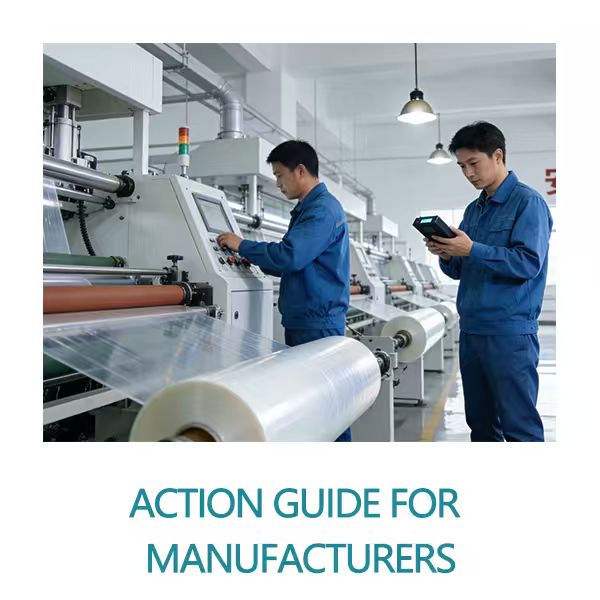
According to industry research institutions, the global bio-based packaging materials market exceeded 12 billion USD in 2025, and is expected to continue expanding at a compound annual growth rate of 15% through 2030. In the domestic market, driven by the "dual carbon" goals and policy support, the demand for biodegradable food packaging materials has shown explosive growth. The number of production enterprises for PLA, PBAT and other bio-based materials has increased significantly, and production capacity is also expanding rapidly.
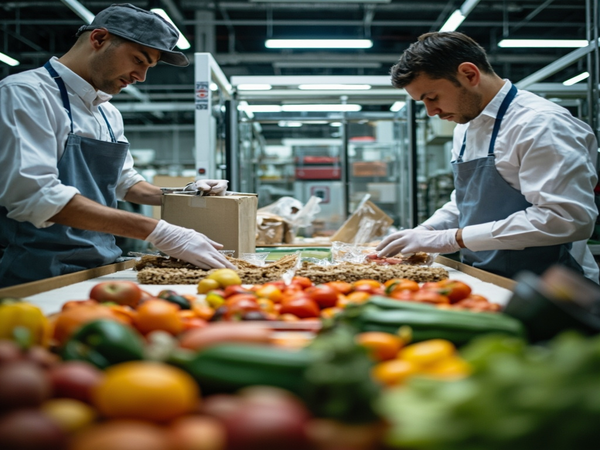
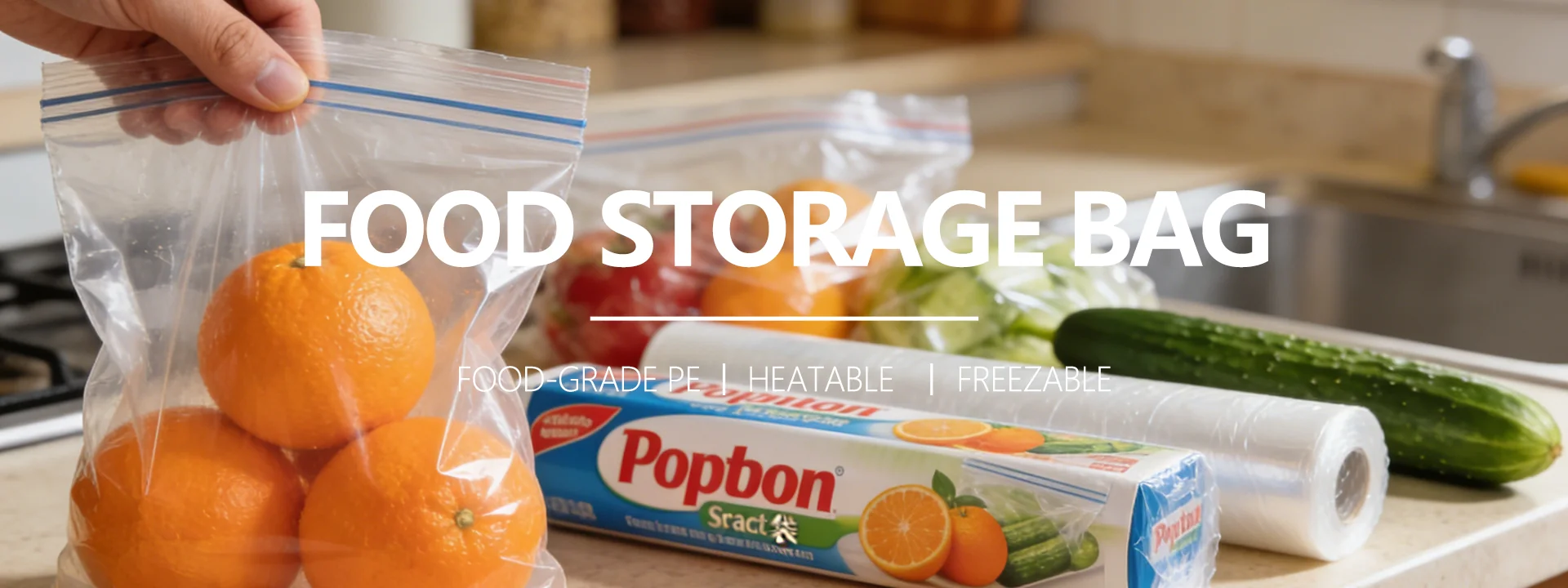
Compared with traditional petrochemical-based plastics, bio-based films have significant advantages including complete biodegradability, low carbon footprint, and high safety. Taking PLA as an example, its raw materials come from renewable plant resources such as corn, and can completely decompose into water and carbon dioxide within 180 days under composting conditions. This characteristic makes it particularly outstanding in food preservation films, single-use tableware, fresh produce trays and other application scenarios.
Industry analysis points out that the cost of bio-based films remains the main bottleneck restricting their large-scale application. At present, the production cost of PLA and other materials is approximately 30% to 50% higher than traditional PE plastics, requiring further cost reduction through scale and technological process optimization. At the same time, downstream food companies' acceptance of biodegradable packaging is increasing, especially in e-commerce, fresh food delivery, catering takeout and other fields with higher environmental protection requirements.
A responsible person from an Xiamen food packaging materials company stated: "The company's R&D investment in the bio-based film sector continues to increase, and it currently has large-scale production capacity. With technological progress and dual market demand drivers, the application prospects of bio-based materials in food packaging are very broad."
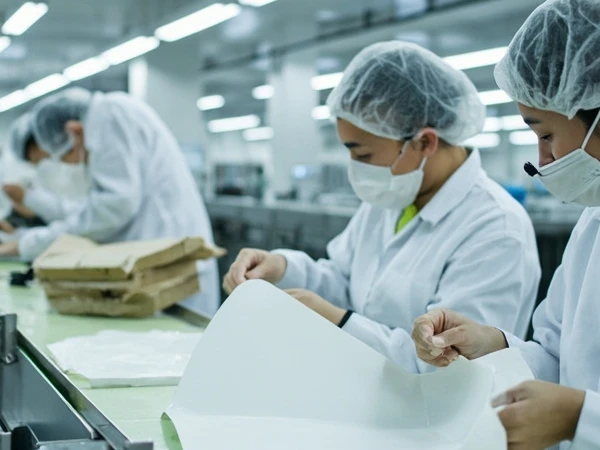
From the perspective of the industrial chain, the development of bio-based films has also driven coordinated development of upstream raw material planting, midstream material modification, and downstream terminal applications. Industry insiders believe that the next three to five years will be a critical development period for bio-based food packaging materials, and technological breakthroughs and cost reduction will become the core focus of industry competition.