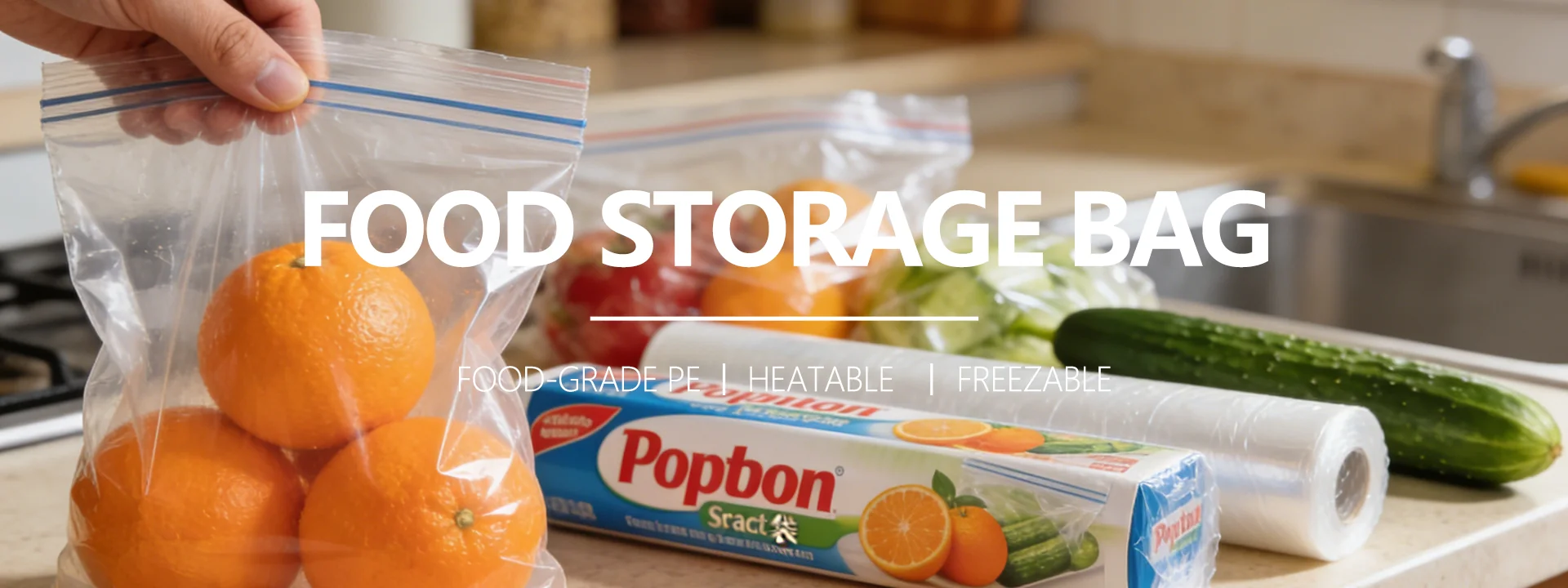
PE cling film, as an essential item in modern family kitchens, requires correct selection and use to ensure food safety and health. With a wide variety of cling film products available on the market, consumers often find it difficult to choose. This article provides a detailed analysis of PE cling film characteristics, purchasing tips, and proper usage methods.
Advantages of PE Cling Film
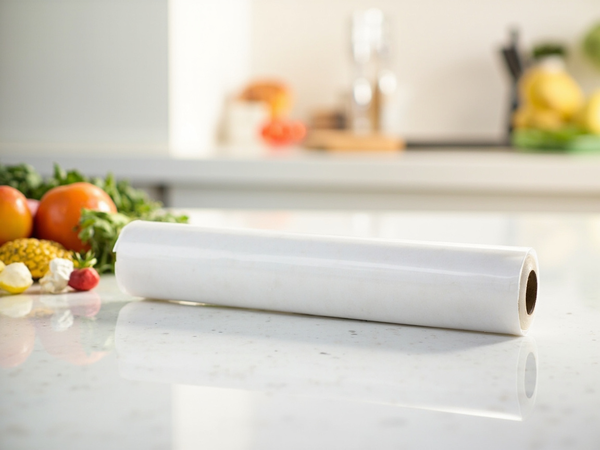
PE (polyethylene) cling film is the most commonly used type in households. It features high transparency and excellent flexibility, allowing it to tightly wrap around food surfaces, effectively blocking air and moisture to slow down food spoilage. PE material is safe and non-toxic, does not release harmful substances, making it an ideal choice for food contact materials.
Purchasing Tips
1. Check the label: Choose products marked with "food grade" or "PE" material description.
2. Smell the product: Quality cling film should have no odor; avoid purchasing if you detect a strong plastic smell.
3. Feel the texture: Good quality PE film feels smooth and soft, while inferior products feel rough and waxy.
4. Consider specifications: Select different widths based on your needs for convenient operation.
Proper Usage Methods
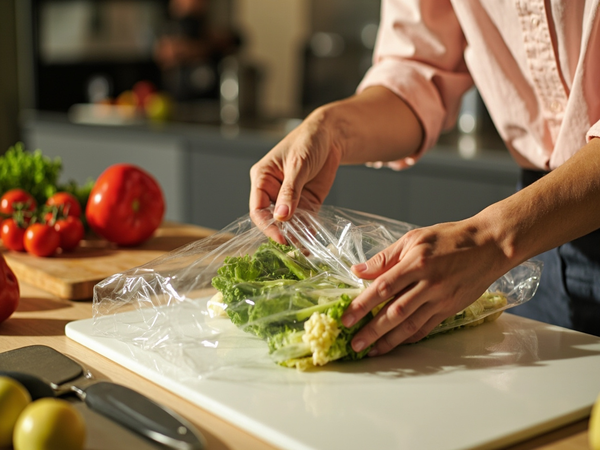
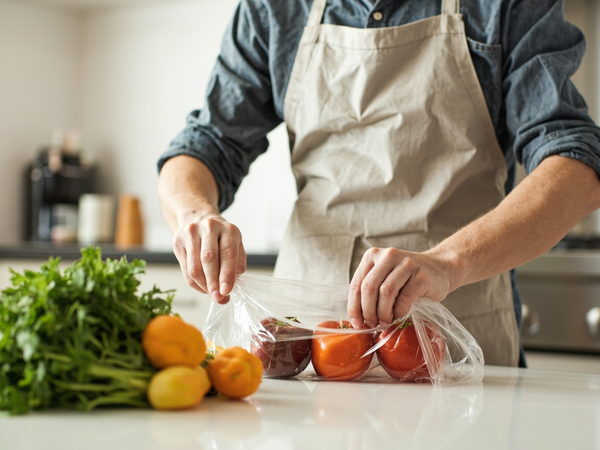
When using PE cling film, place food in a clean container first, then wrap it. For oily foods, it is recommended to choose cling film with better oil resistance. When heating food and needing to use cling film, make sure the product is labeled as microwave-safe and maintain appropriate distance, avoiding direct contact with high-fat foods.
Storage Suggestions
Unused cling film should be stored in a cool, dry place, away from direct sunlight and high-temperature environments. Proper storage maintains the film's performance stability and extends its service life.
Choosing quality PE cling film and using it correctly is an important part of ensuring family food safety. We hope this purchasing and usage guide helps you provide a safer, healthier living experience for your family.