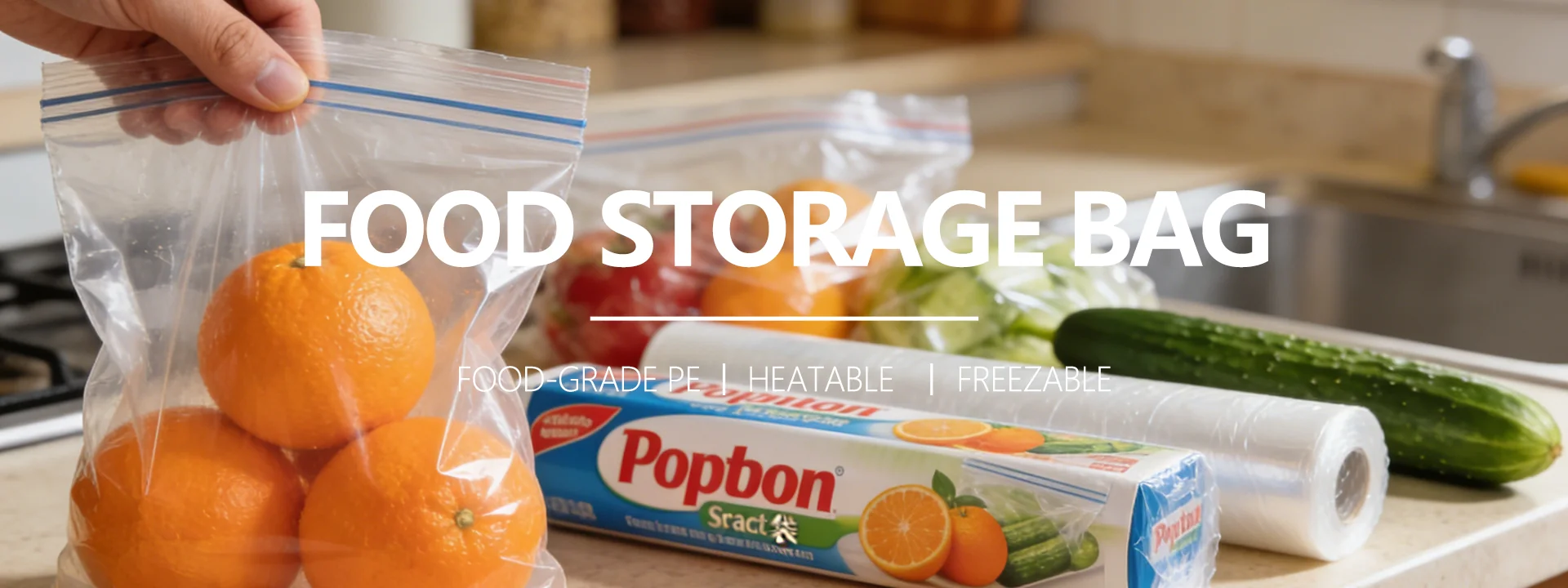
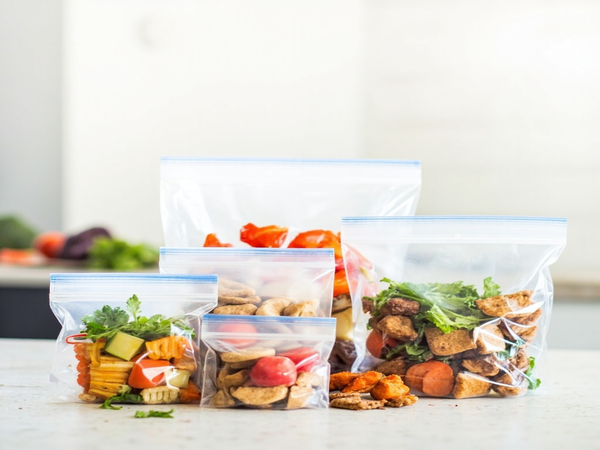
Ziplock bags (also called self-sealing bags or zipper bags) are essential storage tools in both home kitchens and commercial settings. However, many people misunderstand how to use them properly, leading to food contamination, bacterial growth, and even safety hazards. Today let us discuss the 5 most common mistakes in ziplock bag usage.
Mistake 1: All Ziplock Bags Are Food-Safe
Not all ziplock bags are suitable for food storage. Some cheap ziplock bags on the market are made from inferior plastics that may contain harmful substances. When choosing ziplock bags, be sure to look for the "food-grade material" label to ensure safety and non-toxicity.
Mistake 2: Filling the Bag Means It Is Sealed
Many people think pulling the zipper closed is all it takes. This is not the case—if the bag opening is not aligned or the zipper is not pressed tightly, air and moisture can still enter. It is recommended to gently press the seal to ensure the zipper is completely closed.
Mistake 3: Any Ziplock Bag Can Be Reused
From a hygiene perspective, it is recommended to avoid reusing ziplock bags that have stored raw meat, seafood, or egg liquids. If you want to reuse them, choose bags specifically labeled as "reusable" food-grade bags and wash them thoroughly and let them dry.
Mistake 4: Ziplock Bags Can Be Heated Directly
Regular ziplock bags do not have high-temperature resistance. Placing them in a microwave or hot water can cause deformation, rupture, or even release of harmful substances. If you need to heat food, please use specially designed microwave-safe bags or high-temperature resistant containers.
Mistake 5: Storage Conditions Do Not Matter
Ziplock bags should be stored in a cool, dry place, avoiding direct sunlight and high-temperature environments. When storing, it is recommended to fold or lay the bags flat, and avoid over-bending the zipper area to preserve the sealing performance.
How to Choose and Use Ziplock Bags Correctly
- Check the material: Choose PE material ziplock bags labeled as "food-grade"
- Check the size: Select the appropriate size based on storage needs (small for seasonings, large for ingredients)
- Check the seal: Before purchasing, test with water to ensure the zipper closes without leaking
- Separate uses: Store raw and cooked foods separately to avoid cross-contamination
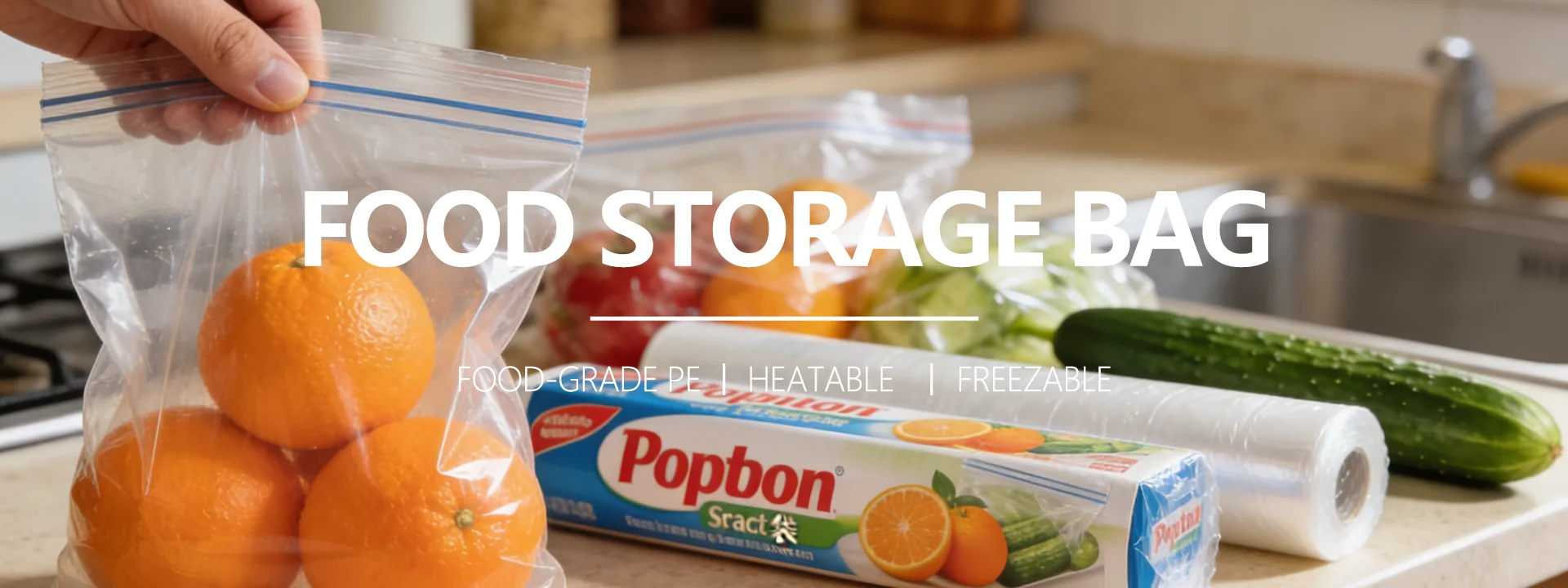
Baodafor is committed to producing food-grade packaging. Our ziplock bags use high-quality PE material with dual-track zipper design to ensure reliable sealing. Suitable for refrigeration, freezer storage, waterproof and moisture-proof scenarios, they are the trusted choice for families and food service businesses.