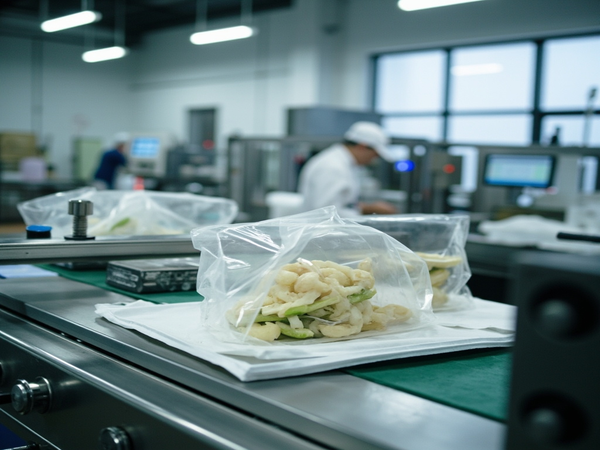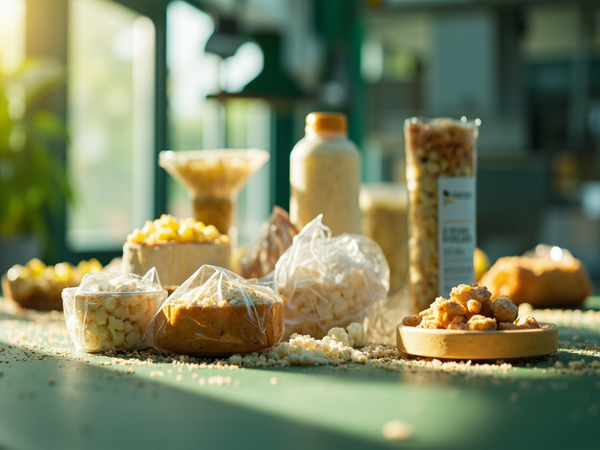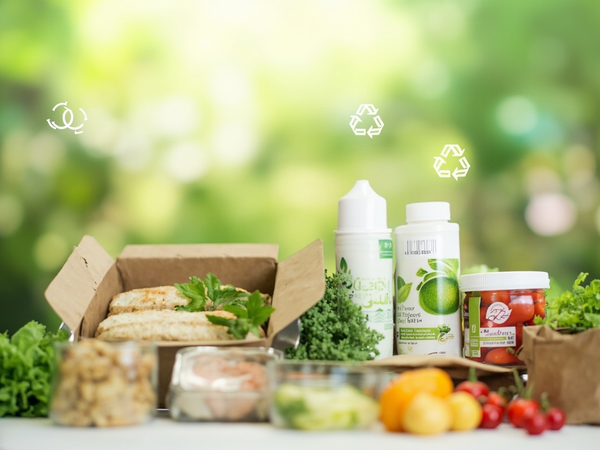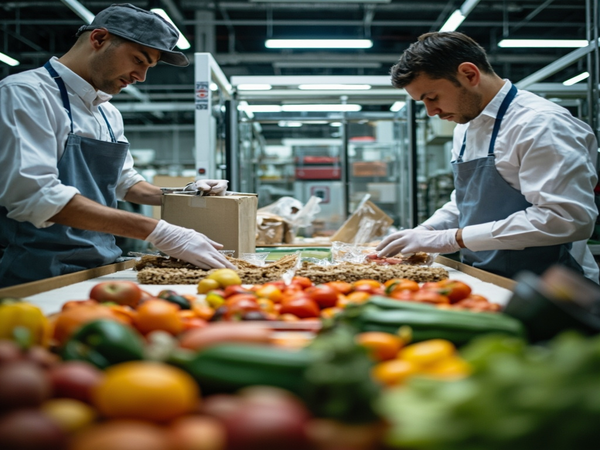
As global food safety regulatory requirements continue to tighten, major economies around the world have recently revised regulations governing food contact materials. The European Union officially implemented the new version of the Regulation on Plastic Materials Intended to Come into Contact with Food in 2026, significantly raising migration limits for plasticizers, adhesives, and printing inks. The U.S. FDA also updated its list of food contact substances this year, imposing stricter compatibility assessment requirements for multi-layer packaging adhesive systems.
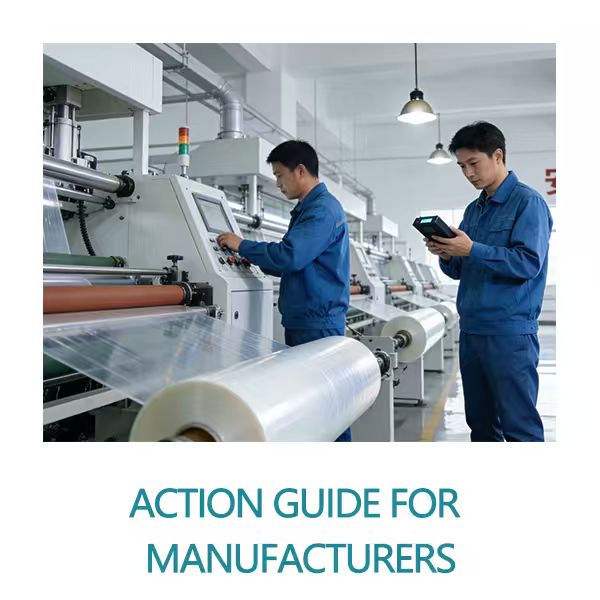
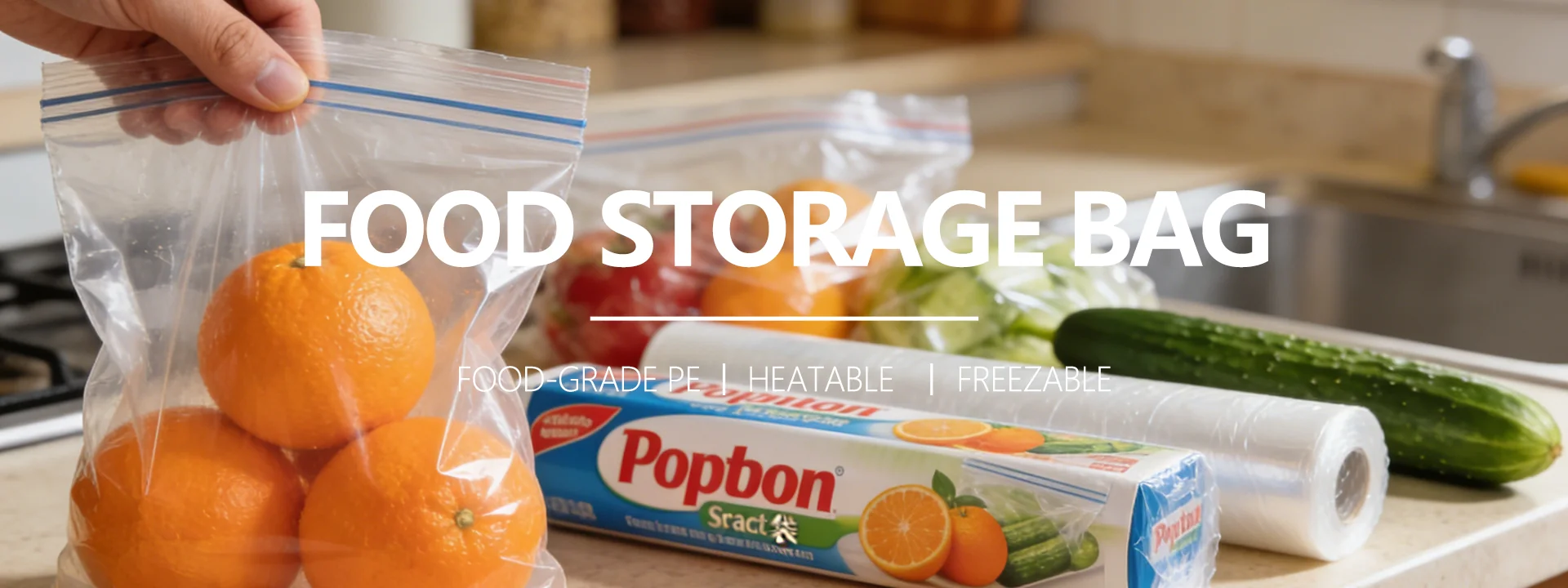
This round of regulatory upgrades has directly impacted the downstream packaging supply chain. China's food packaging export enterprises are broadly facing multiple pressures including formulation adjustments, process improvements, and rising testing costs. Take daily food packaging products such as PE cling film and ziplock bags as examples—companies now need to re-evaluate the safety of their products when in contact with different food types, particularly fatty foods, and supplement the corresponding migration test data.
Industry analysts believe that while stricter regulations have indeed increased compliance costs for enterprises in the short term, in the long run they will accelerate the elimination of low-end production capacity and drive packaging companies to transition toward food-grade, high-safety-standard production systems. Enterprises with independent R&D capabilities that have obtained ISO 22000 or FSSC 22000 certification are expected to further expand their market share during this consolidation phase.
For domestic food packaging enterprises, seizing the window period presented by this regulatory adjustment to accelerate raw material compliance audits, production process upgrades, and testing capability building is not only a practical necessity for coping with export trade barriers, but also an important pathway to enhancing domestic market competitiveness.