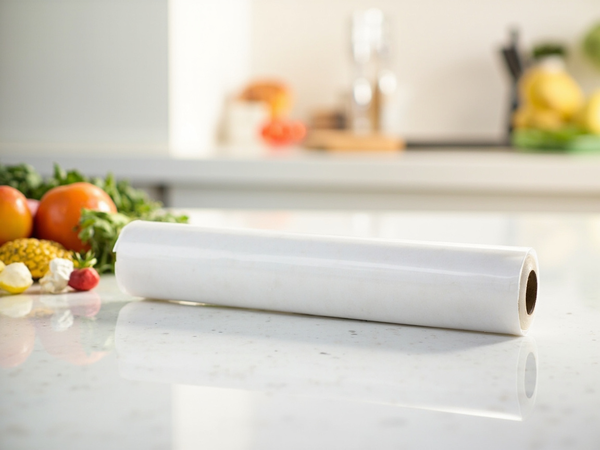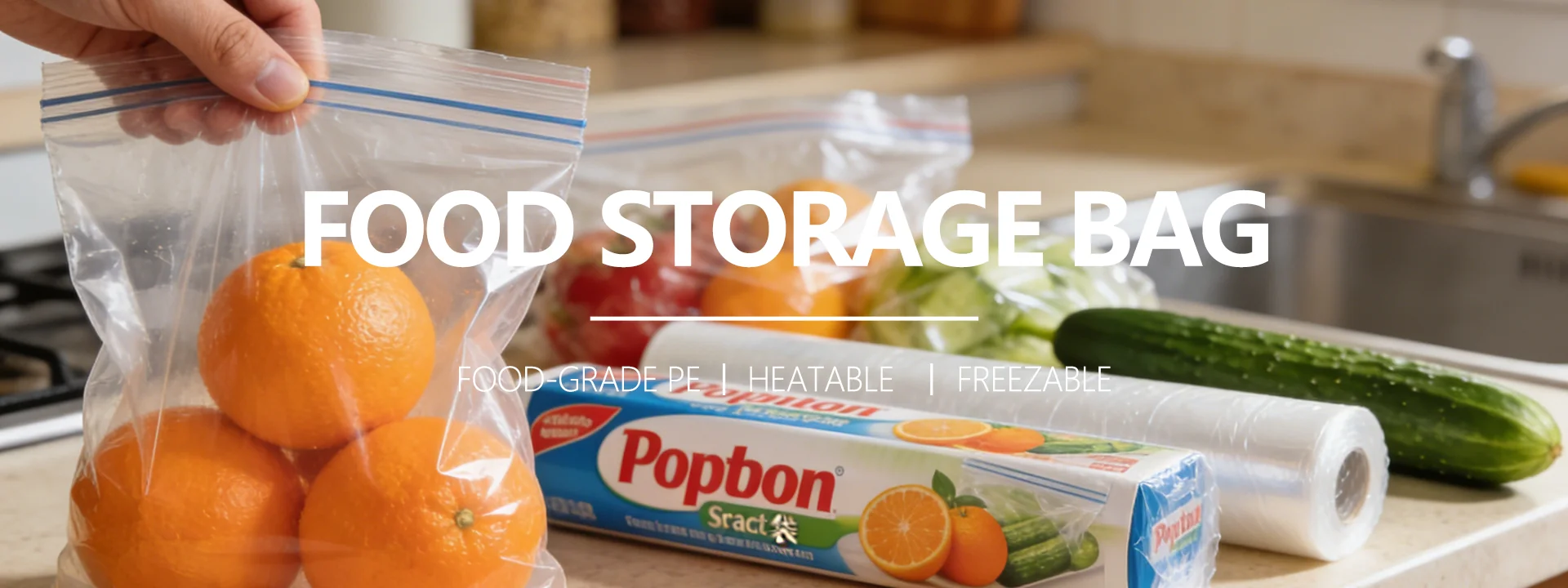
Food plastic wrap is an essential kitchen tool for modern households, but with various materials and thicknesses available on the market, many consumers find it challenging to make the right choice.
1. Common Materials for Food Wrap
The most common food wrap materials include polyethylene (PE), polyvinyl chloride (PVC), and polyvinylidene chloride (PVDC).
PE food wrap is the mainstream product on the market. It is safe, non-toxic, and suitable for wrapping general food items, though its heat resistance is relatively limited. PVC food wrap offers excellent transparency and flexibility, but should not be used for foods containing oils or fats. PVDC food wrap provides superior barrier properties, making it ideal for cooked meats and other foods requiring longer preservation periods.
2. Thickness Matters
The thickness of plastic wrap directly affects its sealing performance and durability. For typical household use, products between 0.01mm and 0.02mm thickness offer the best balance of sealing effectiveness and ease of tearing. For foods requiring long-term freezer storage, thicker options provide better protection.
3. Usage Recommendations
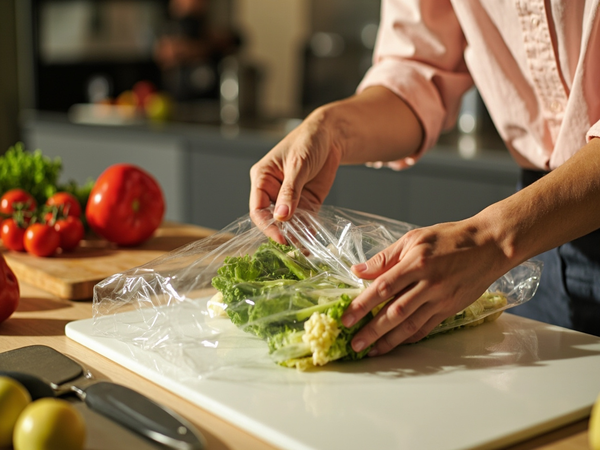
For refrigerator storage, PE material food wrap works well to prevent flavor transfer between ingredients. When microwaving, always choose products labeled as "microwave-safe." For frozen foods, PVDC food wrap with superior low-temperature resistance is recommended.
Choosing and using food wrap correctly not only extends food freshness but also ensures dietary safety. Consumers should carefully read product descriptions and select items from reputable manufacturers.