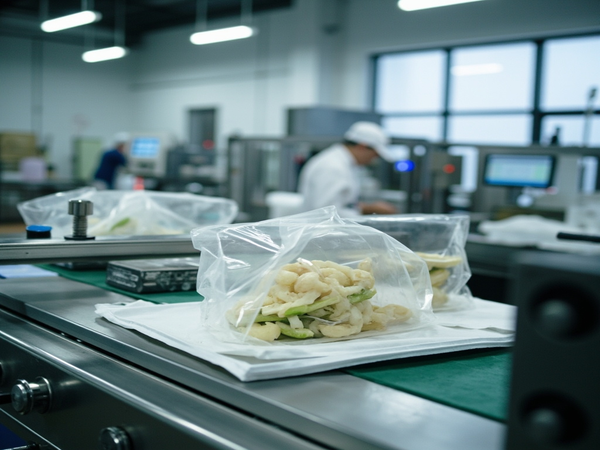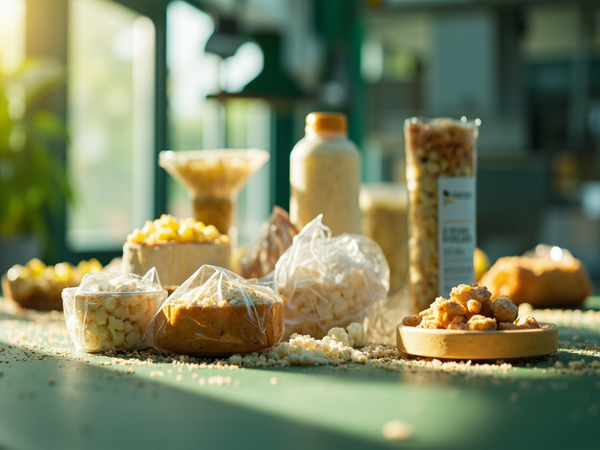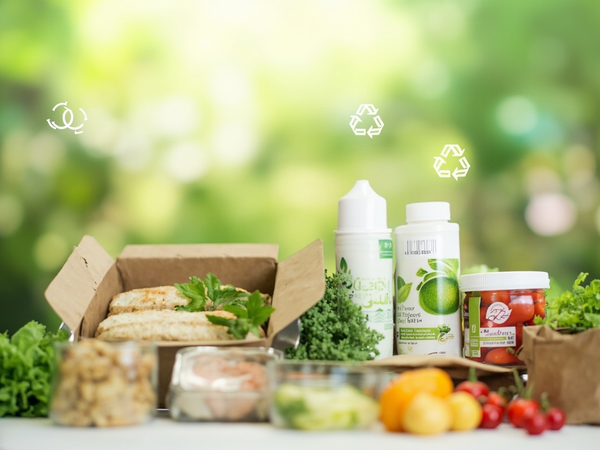
As global environmental awareness continues to rise, the biodegradable food packaging market is ushering in a new round of growth opportunities. According to industry research institutions, the global bio-based food packaging market is projected to achieve a compound annual growth rate of 12.3% from 2026 to 2030, with market size expected to exceed 40 billion USD by 2030.
In the European market, biodegradable packaging has become a key choice for food companies. Multiple countries have introduced plastic restriction policies, pushing food manufacturers to accelerate their shift toward PLA, PHA and other bio-based materials. In Asian markets, leading food companies in China, Japan, and South Korea are actively testing and promoting biodegradable packaging solutions.
Industry experts point out that the main challenges facing biodegradable food packaging are cost and performance stability. Currently, traditional plastic packaging costs remain approximately 30% to 40% lower than bio-based materials, which has become the primary obstacle to large-scale replacement. However, as large-scale production technology improves and raw material supply increases, the cost gap is gradually narrowing.
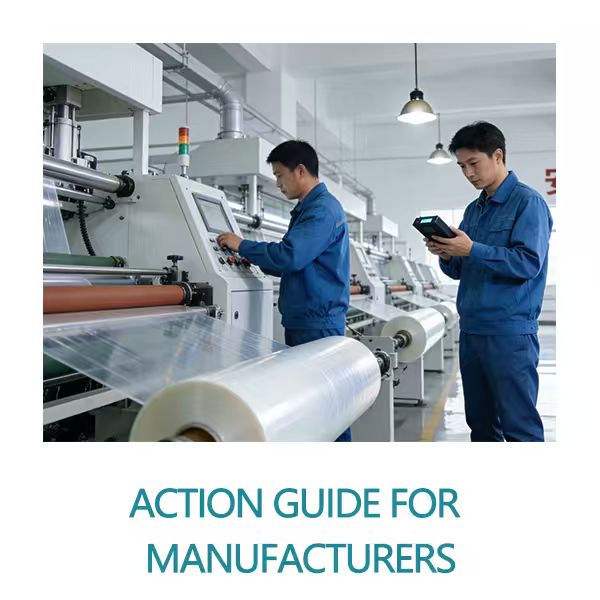
For food packaging companies, seizing the environmental trend and proactively deploying bio-based material production lines will be key to future competitiveness. Baodafor closely monitors industry developments, continuously researching and developing more eco-friendly food-grade packaging products to provide customers with diverse sustainable choices.