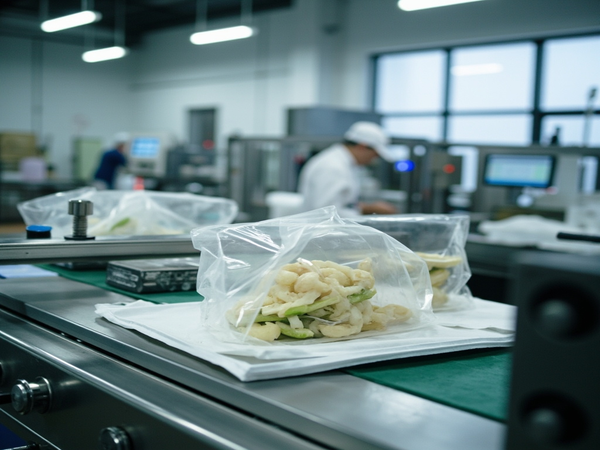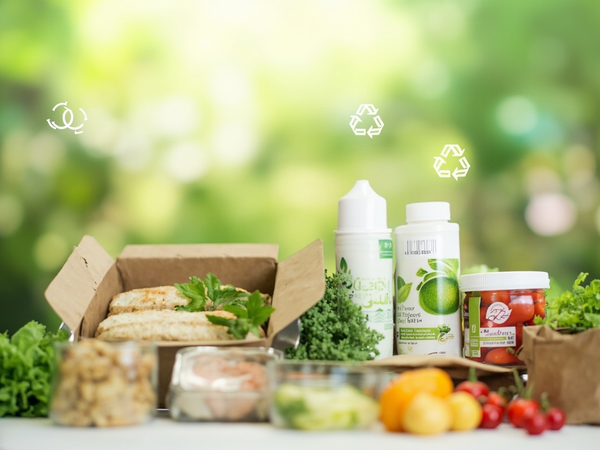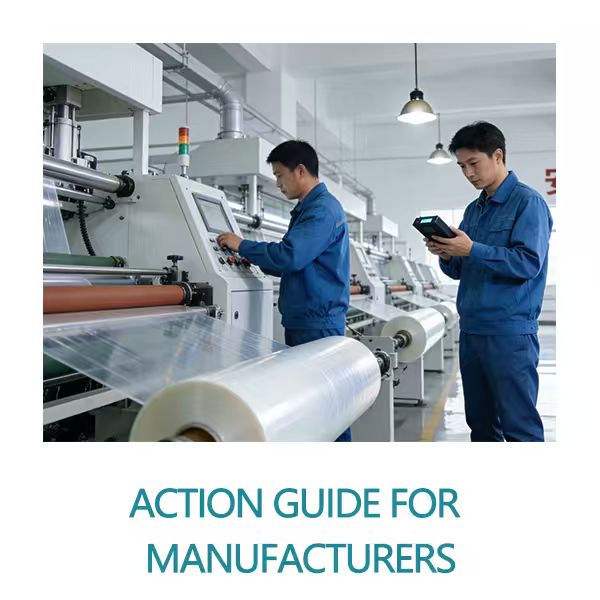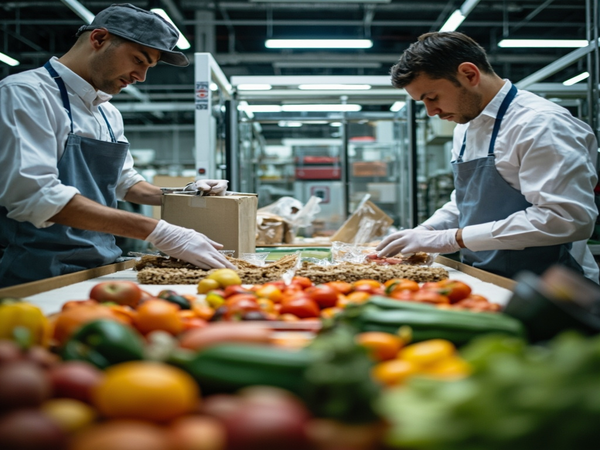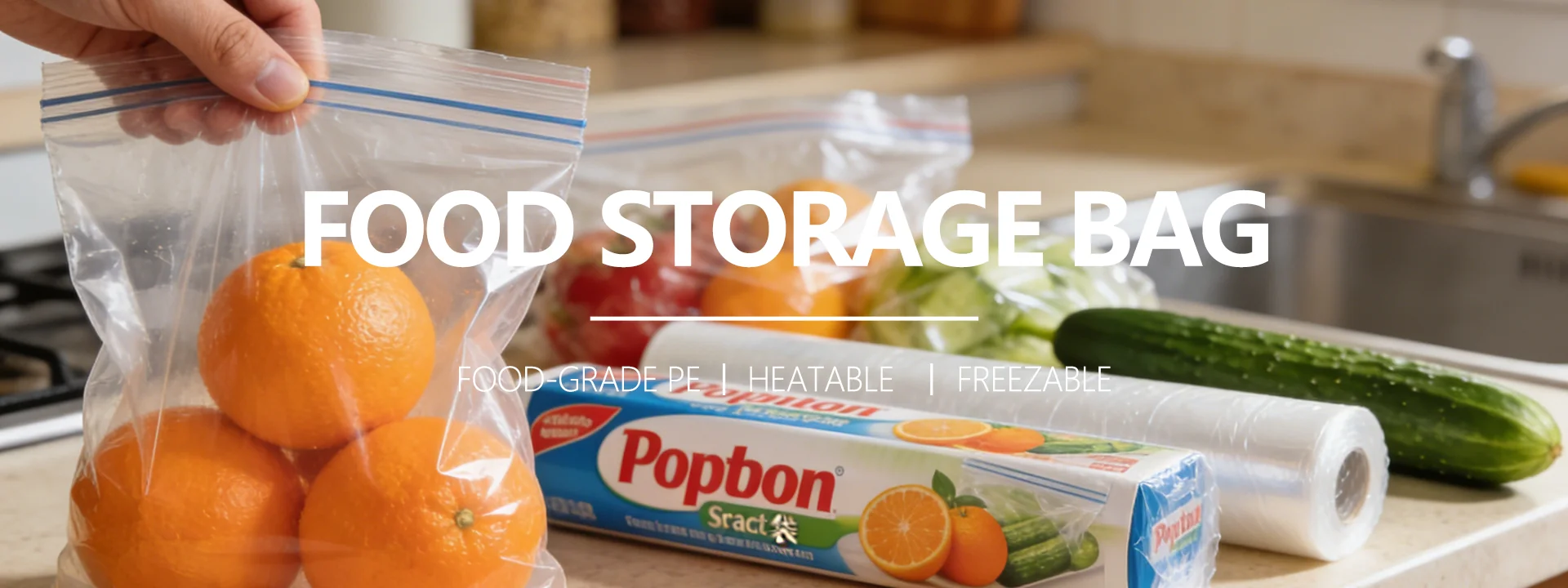
As global environmental awareness continues to rise, the food packaging industry is undergoing a profound material transformation. Since 2026, numerous food packaging companies have significantly increased their investment in biodegradable material research and development, with bio-based polymers and compostable materials emerging as the industry core technology direction.
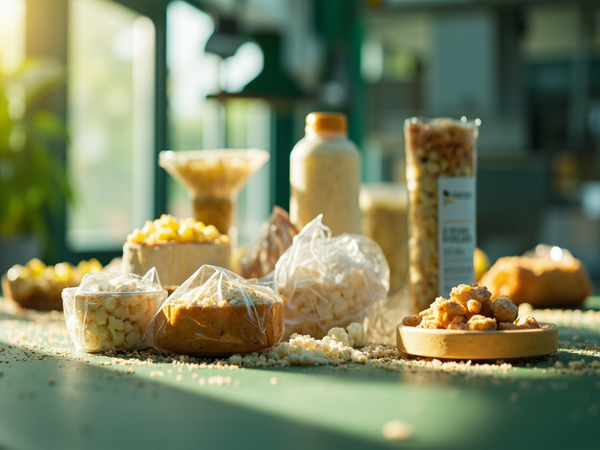
Against this backdrop, the growth rate of traditional petroleum-based plastic usage has notably slowed, while bio-based packaging materials derived from corn starch and sugarcane fibers have achieved rapid growth. These new materials not only maintain excellent barrier properties and mechanical strength but can also fully degrade under specific conditions, effectively reducing environmental impact.
Industry sources note that the cost of biodegradable materials remains one of the primary barriers to large-scale adoption. Currently, the per-unit production cost of bio-based materials remains three to five times higher than traditional plastics, and the industry is pursuing cost reduction through both large-scale production and technology optimization. Some leading enterprises have already completed verification of material degradation cycles under industrial composting conditions, laying a foundation for subsequent market expansion.
Industry analysts point out that the transition toward biodegradable food packaging materials is not only driven by environmental needs but also represents an important strategic move for companies to comply with increasingly stringent environmental regulations and enhance their brand green image. It is expected that over the next three to five years, the market penetration rate of biodegradable food packaging will continue to increase, and the industry competitive landscape will be reshaped accordingly.