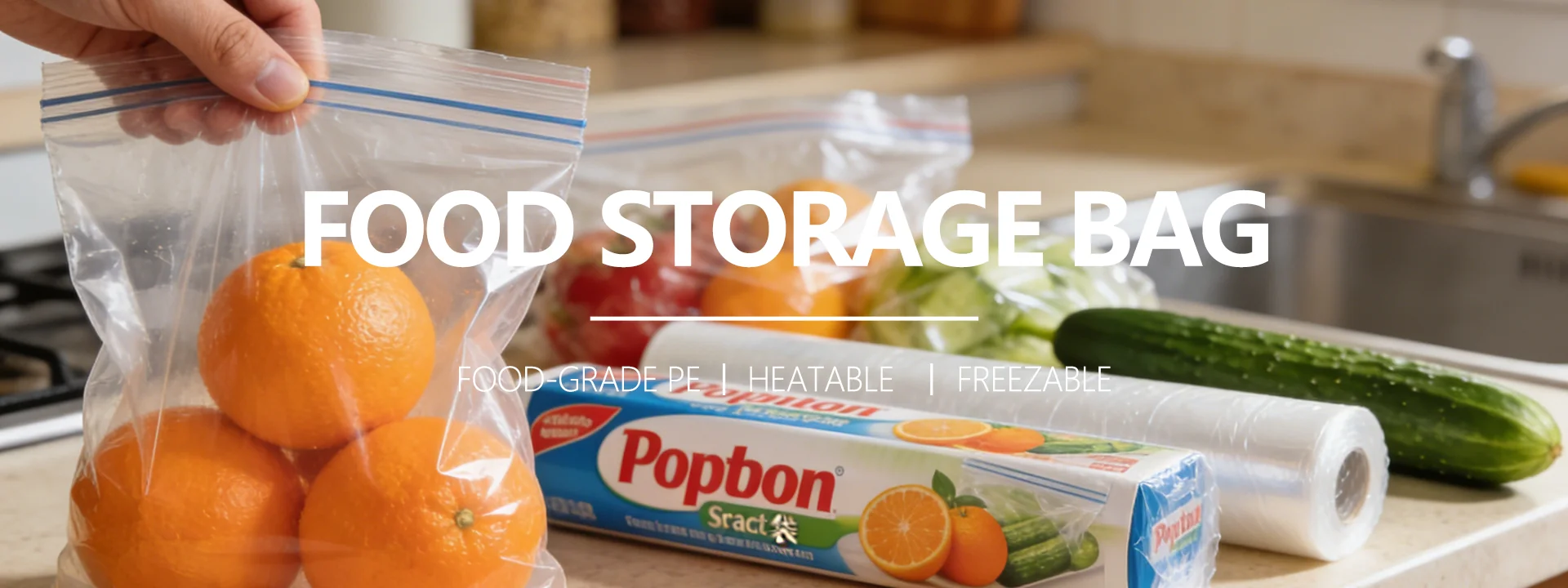
In daily life, both cling wrap and ziplock bags are essential food preservation tools, but many people are unsure of their respective advantages. In fact, choosing the right one based on different usage scenarios can lead to better preservation results and more convenient use.
Advantages of Cling Wrap: Tight Seal, Ideal for Covering
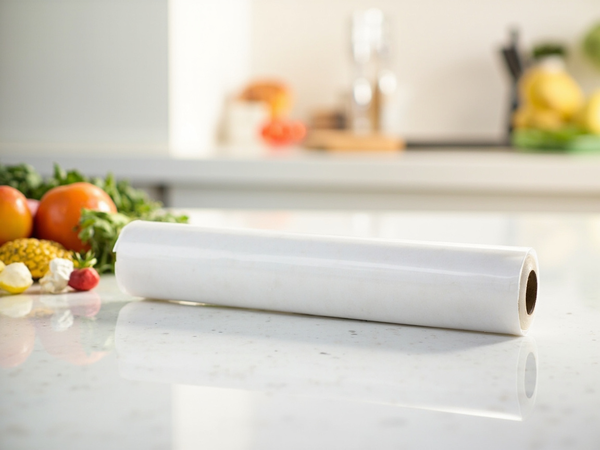
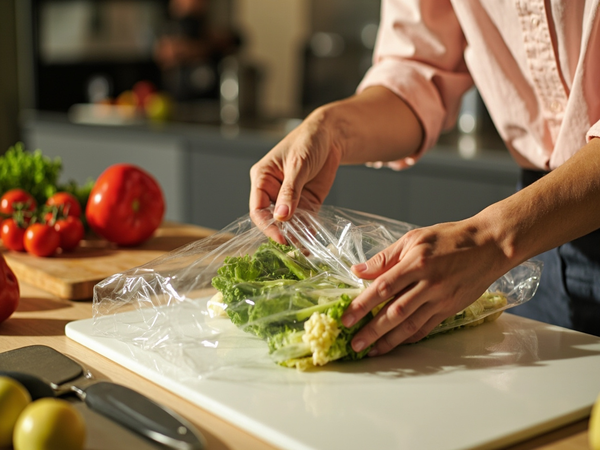
Cling wrap has excellent stretchability and adhesion, allowing it to tightly conform to the surface of bowls, plates, and other containers, creating a thin protective layer. It is perfect for covering leftover food, fruit platters, or temporarily shielding cut ingredients. When microwaving, heat-resistant cling wrap can be used directly, making operation extremely convenient.
Advantages of Ziplock Bags: Superior Seal, Ideal for Portioning
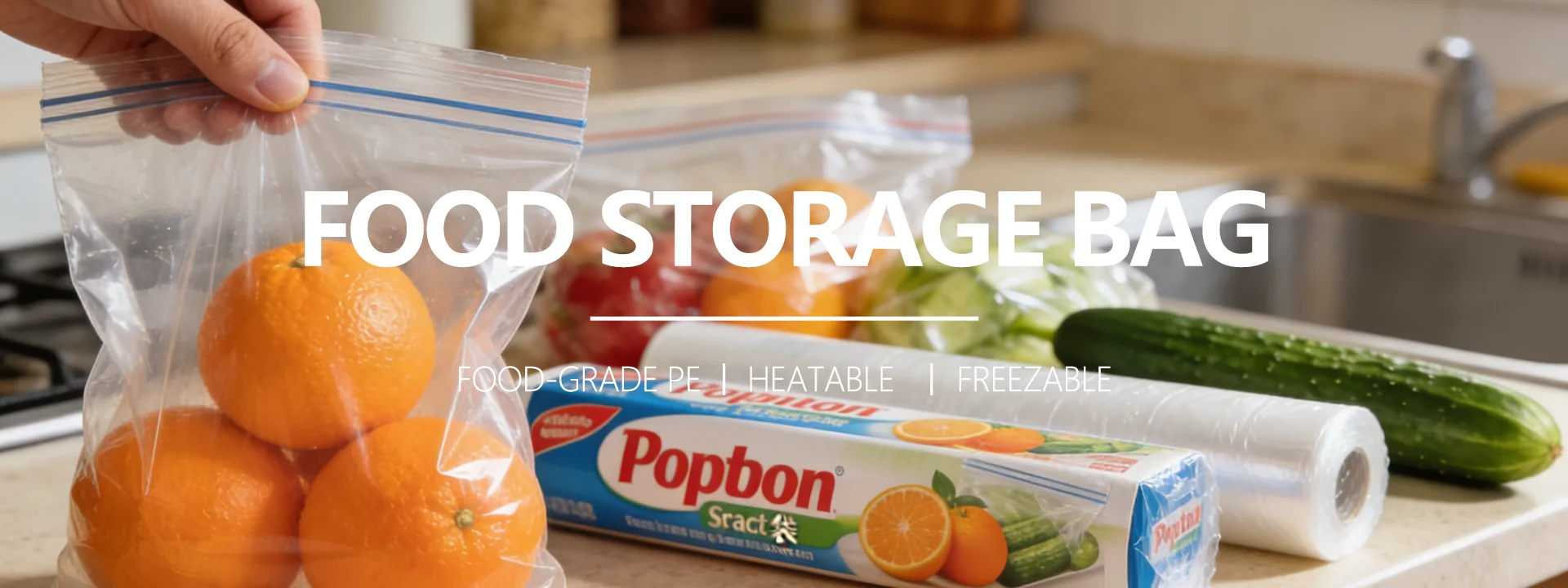
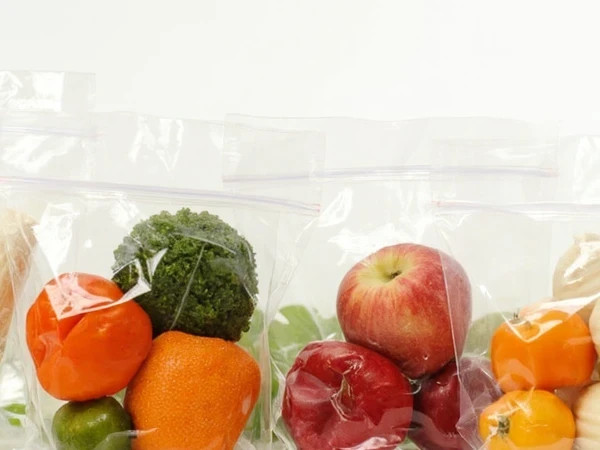
Ziplock bags feature a zipper-style seal design with stronger sealing performance, preventing air and water leakage. They are ideal for portioning ingredients—for example, placing sliced meat and vegetables in separate ziplock bags before freezing in the refrigerator saves space and makes retrieval easy. Ziplock bags also allow you to record dates and contents; with a label attached, everything is clearly organized.
Match by Scene for the Best Results
For short-term preservation that requires reheating, cling wrap is the better choice; for portioned storage or when carrying food outdoors, ziplock bags are more suitable. Using both together—covering bowls and dishes with cling wrap to prevent odor transfer, then consolidating storage with ziplock bags—keeps your refrigerator neat and orderly.
Baodafor specializes in producing food-grade cling wrap and ziplock bags. Our PE cling wrap uses food-grade raw materials, and our ziplock bags are made from premium plastic that is flexible and durable, making them an ideal choice for households and food service establishments.