As single-use plastic restrictions tighten globally, the food packaging industry is undergoing a profound green transformation. From the EU's ban on certain plastic products to domestic plastic limitation policies in China, traditional petroleum-based plastic packaging faces unprecedented pressure to shift, while bio-based biodegradable materials, particularly PLA (polylactic acid), are rapidly emerging as the industry's new breakthrough direction.
According to industry research, the global food packaging market exceeded $350 billion in 2025, with biodegradable packaging materials' market share growing nearly 40% compared to three years ago. Behind this data lies the accelerated fulfillment of sustainability commitments by consumer brands—numerous chain restaurants and retail supermarkets have announced clear plans to achieve full packaging material replacement within the next three to five years.
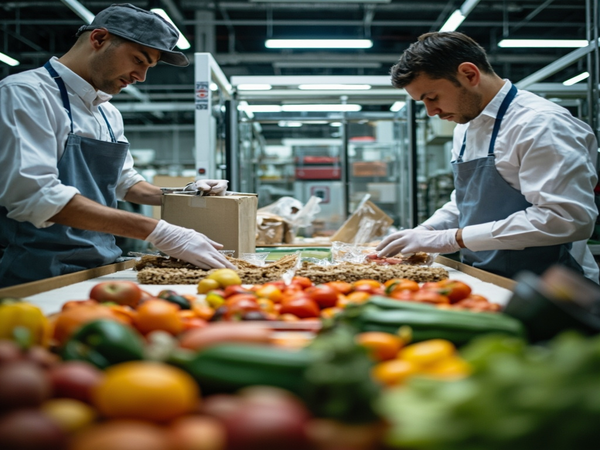
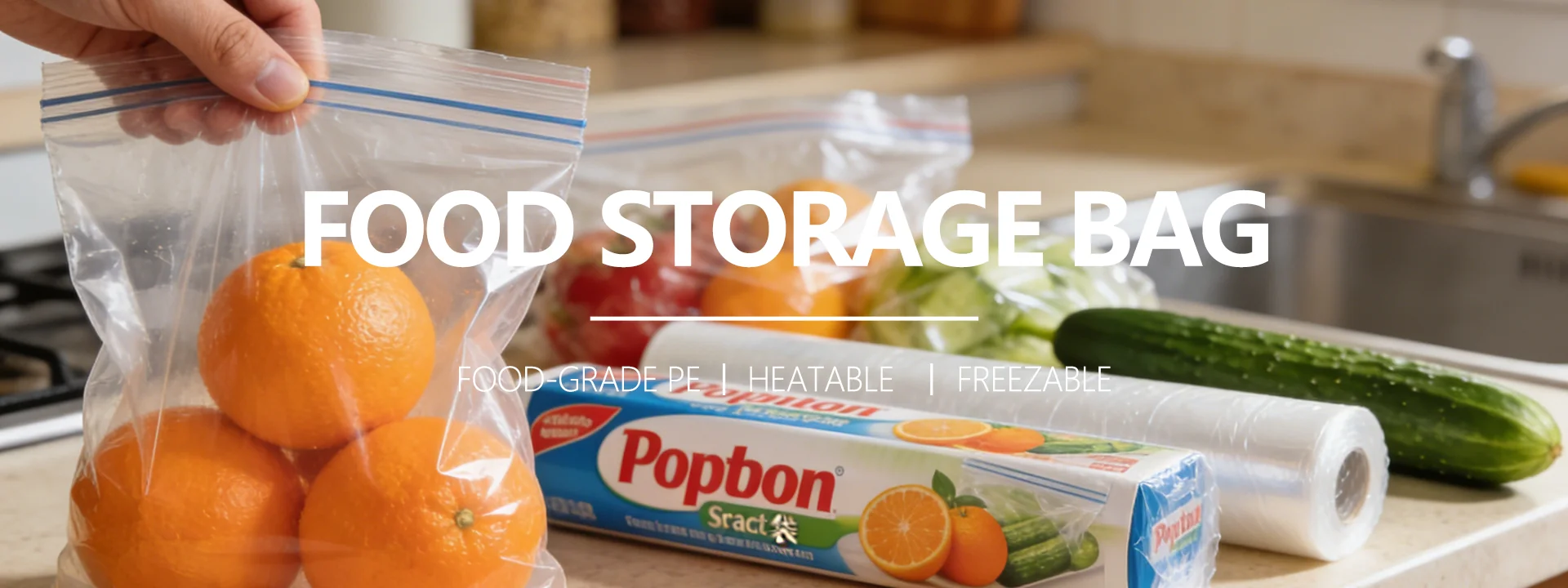
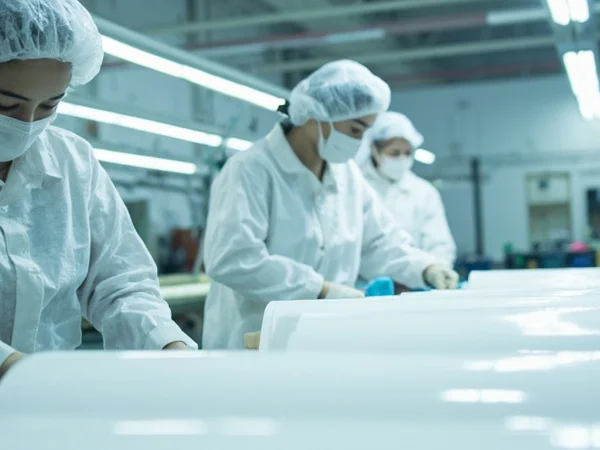
Alongside this trend, production standards for food-grade packaging are simultaneously improving. Biodegradable materials must not only meet basic food safety requirements but also match traditional plastics in performance indicators such as strength, temperature resistance, and barrier properties. Take PLA as an example: after modification treatment, its heat resistance temperature has increased from the initial 50°C to over 100°C, basically covering most food packaging application scenarios.
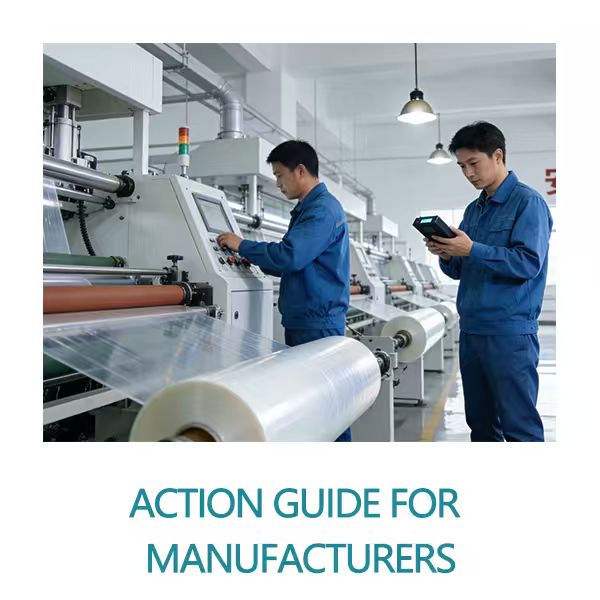
For food packaging enterprises, transitioning toward biodegradable solutions has shifted from an "option" to a "necessity." Continuous investment by raw material suppliers in bio-based material research, combined with positive policy incentives, is building a more mature industrial ecosystem. Industry analysts believe the next three to five years will be a critical window period for the industry's green transformation, and companies need to plan ahead in material research, production line upgrades, and supply chain coordination to gain a competitive edge.