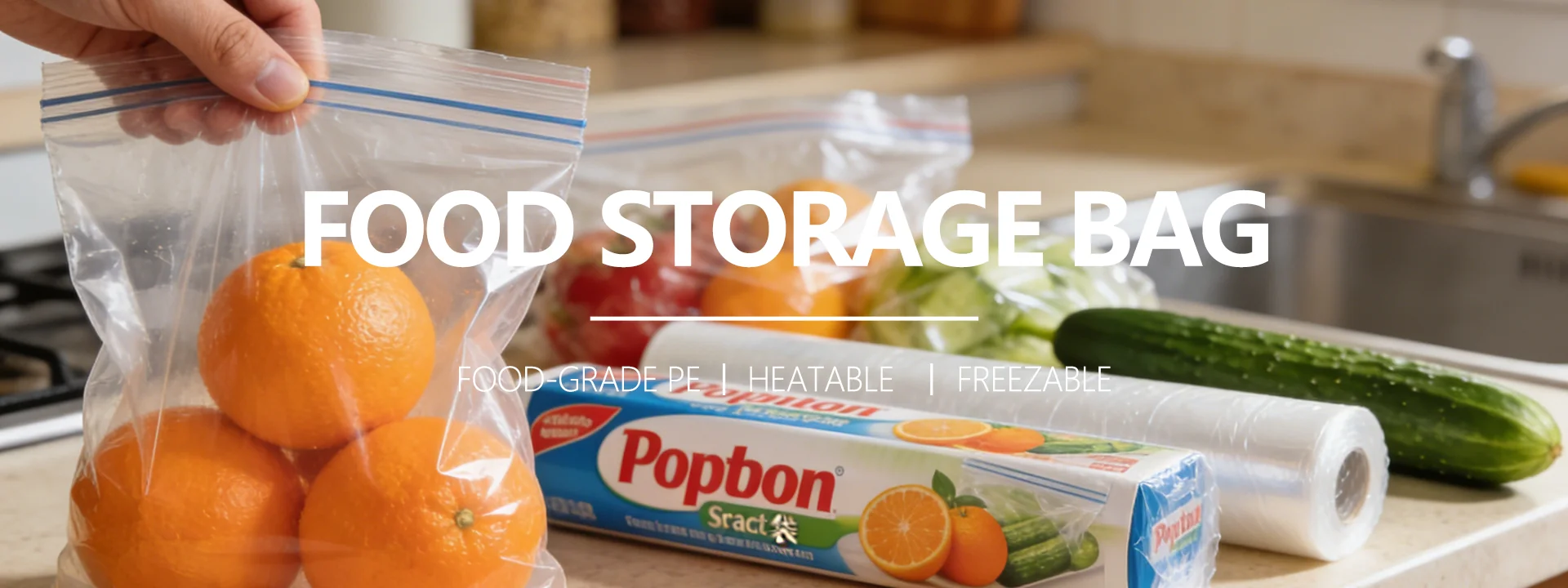

Cling wrap is an indispensable kitchen tool in modern households, with its core value lying in creating an airtight seal that blocks air and moisture to slow down food spoilage. However, many consumers overlook the key factors that affect sealing effectiveness when using cling wrap.
Material Determines Performance
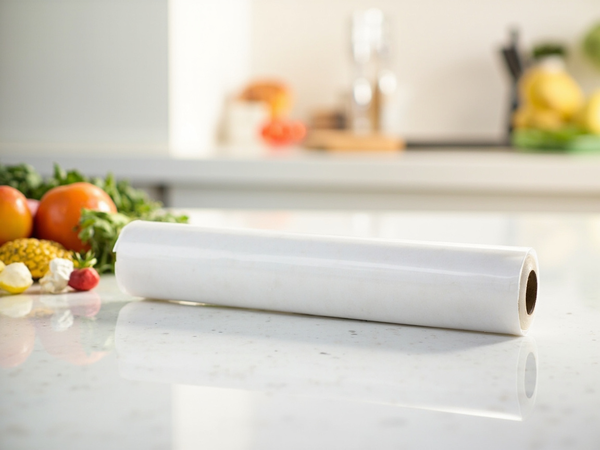
The most common cling wrap materials on the market are polyethylene (PE) and polyvinyl chloride (PVC). PE cling wrap offers excellent chemical stability and food contact safety, making it the mainstream choice. High-quality PE cling wrap should have good stretchability, allowing it to closely conform to containers of various shapes and form an effective seal. In contrast, low-quality cling wrap tends to tear when stretched, significantly compromising sealing performance.
The Critical Role of Thickness
The thickness of cling wrap directly affects its barrier properties. Thicker cling wrap provides better puncture resistance and sealing stability, especially for frozen foods or ingredients requiring long-term storage. Consumers can check the thickness specifications on product labels when purchasing. For household use, cling wrap with a thickness between 0.01mm and 0.02mm is ideal—too thin results in a weak seal, while too thick affects ease of use.
Proper Usage Methods
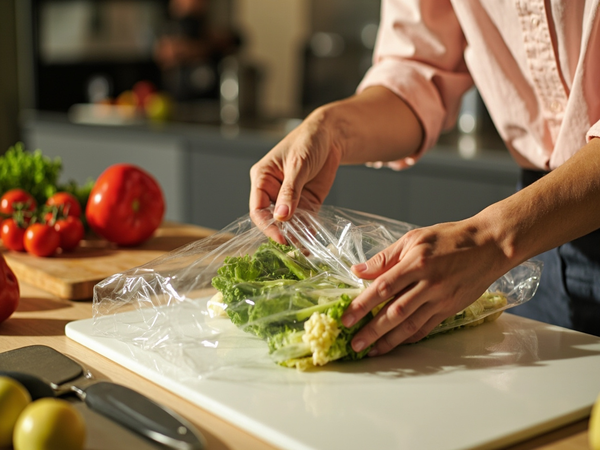
Ensuring the container rim is dry and clean is a prerequisite for achieving the best sealing effect. When wrapping, stretch the cling wrap moderately so it adheres to the container surface through its own tackiness, avoiding excessive force that could tear the film. For irregular container edges, adding 1-2 extra wraps enhances sealing strength. For refrigeration and freezing storage, covering the outside with an additional sealed bag or container further improves freshness preservation.
Baodafor Cling Wrap Product Advantages
Baodafor food-grade PE cling wrap is made from premium raw materials with uniform film thickness and excellent stretchability. It closely conforms to various container rims. The product offers excellent puncture resistance and sealing stability, does not become brittle in freezing environments, and is suitable for household daily food refrigeration, freezing, and microwave heating scenarios.
Choosing the right cling wrap and mastering proper usage methods is an effective way to extend food freshness and reduce food waste.