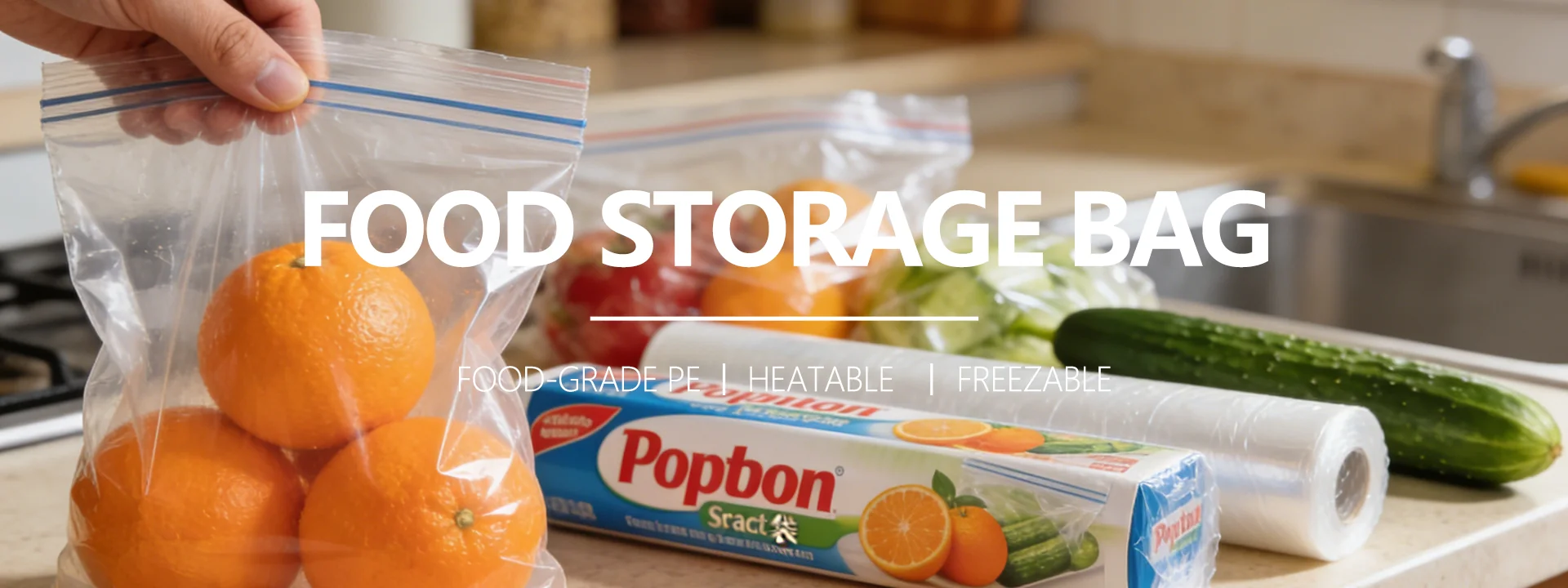

In daily household life, cling wrap and aluminum foil are the two most commonly used food packaging materials. However, many consumers often find it confusing to decide which one to use when storing different types of food. This article provides a detailed analysis from three perspectives: material properties, applicable scenarios, and preservation effectiveness, helping you make the right choice based on actual needs.
Cling Wrap: The Best Choice for Breathability and Moisture Retention
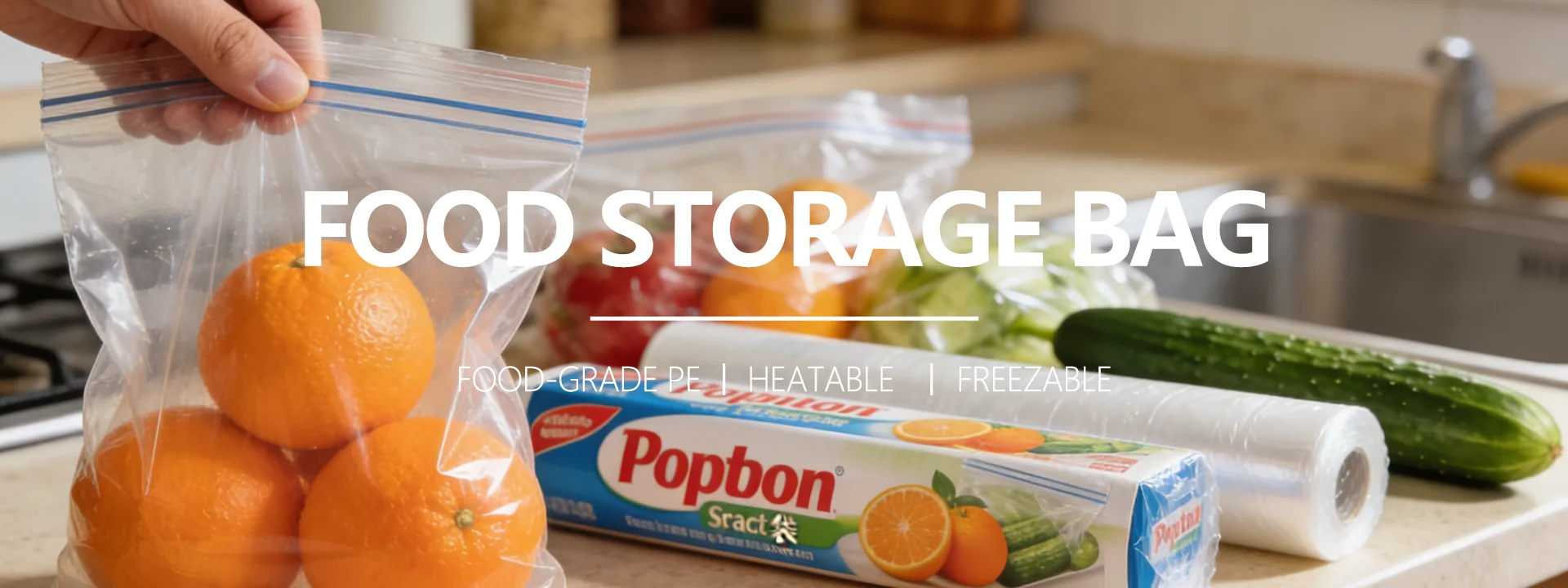
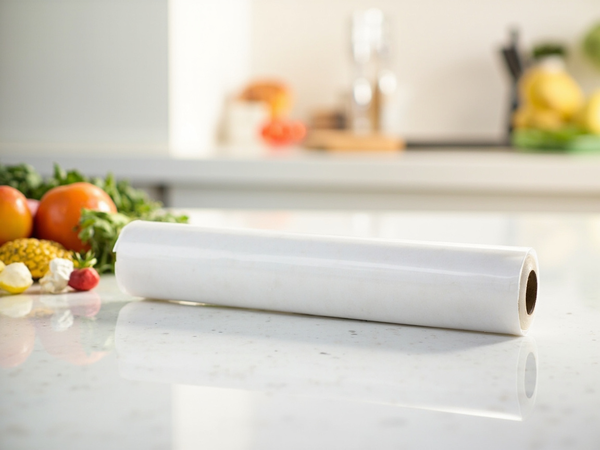
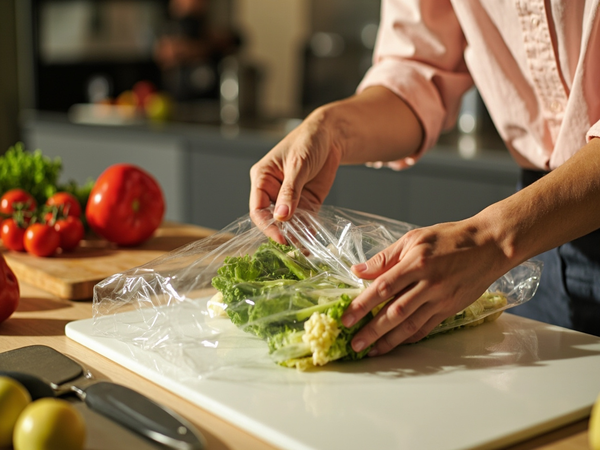
Cling wrap is primarily made from polyethylene (PE) and offers excellent breathability and moisture retention. When used to wrap vegetables, fruits, or cooked foods, it effectively prevents moisture loss while allowing a small amount of oxygen to enter, slowing down oxidation and spoilage. Research indicates that fresh vegetables wrapped in cling wrap can last 2 to 3 days longer in cold storage compared to uncovered storage.
It is important to note that ordinary cling wrap is mainly designed for cold chain storage and should not be placed in high-temperature environments or microwave ovens unless the packaging clearly states "microwave-safe."
Aluminum Foil: The Ultimate Seal Against Odor Transfer
Aluminum foil, made by compressing aluminum metal, is characterized by its superior sealing ability and excellent light-blocking properties. It completely blocks moisture evaporation and external odors, making it ideal for storing foods with strong scents such as seafood, braised dishes, or pickled products. Additionally, aluminum foil has excellent heat resistance and can be directly used in oven cooking and open-flame heating.
When wrapping food with aluminum foil, it is recommended to place the shiny side facing outward in contact with the food, as this side has better reflectivity and helps distribute heat more evenly.
Choose the Right Packaging Based on Food Characteristics
The key to choosing between these two packaging materials lies in understanding the characteristics and storage needs of your food. Here are recommended solutions for several common scenarios:
High-moisture vegetables such as spinach and greens are best wrapped in cling wrap to effectively lock in moisture. Foods that need to be isolated from odors, such as pickled items and sauces, are best stored with aluminum foil for complete sealing. For dishes with soups or liquids, it is recommended to first seal with cling wrap and then add a layer of aluminum foil for double protection. Bread and pastries wrapped in cling wrap stay soft, while aluminum foil is more suitable for situations requiring dryness.
Smart Combination Use Delivers Better Results
In reality, cling wrap and aluminum foil are not mutually exclusive but complementary. Most well-equipped kitchens have both materials on hand, using them flexibly based on different ingredients and purposes to maximize food freshness and flavor.
Mastering the correct usage of these two materials not only reduces food waste but also makes daily life more convenient and efficient.