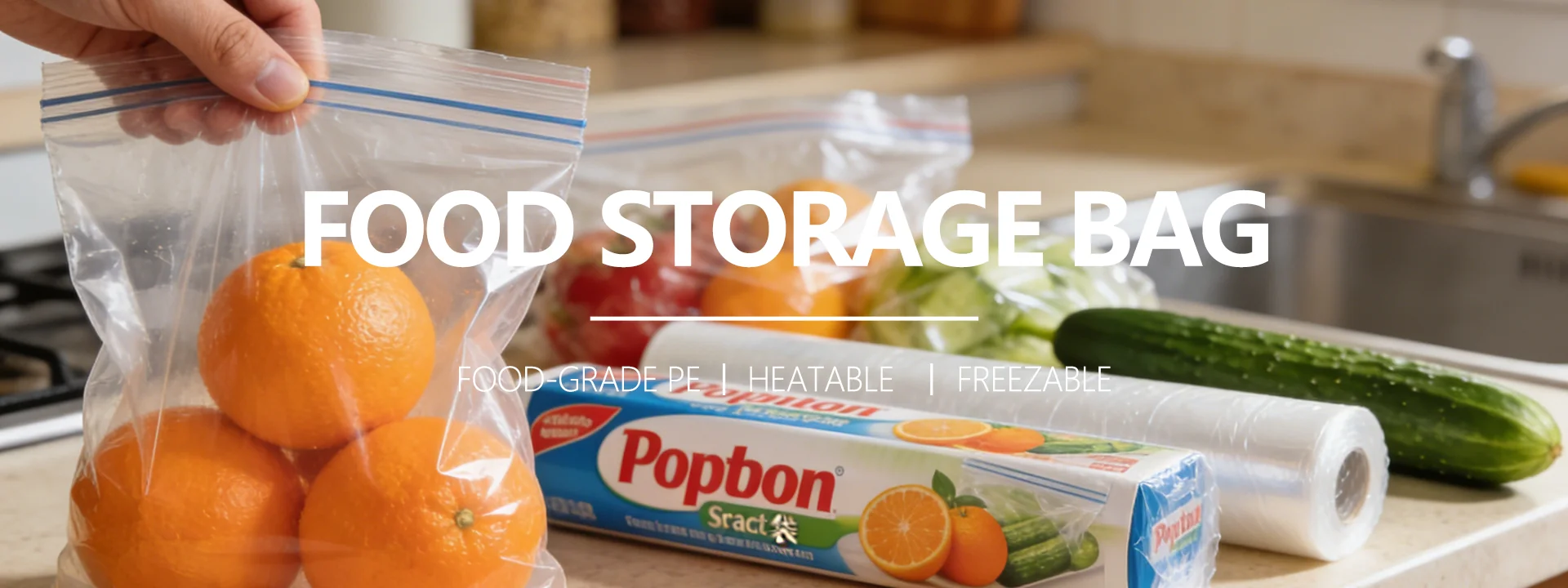

In daily household life, ziplock bags are a common tool for food storage. Many consumers focus on brand and price when purchasing ziplock bags, but often overlook a critical design detail—the sealing mechanism. The double-seal design, as the current mainstream sealing structure in the market, is gaining recognition from more and more consumers.
What Is Double-Seal Design?
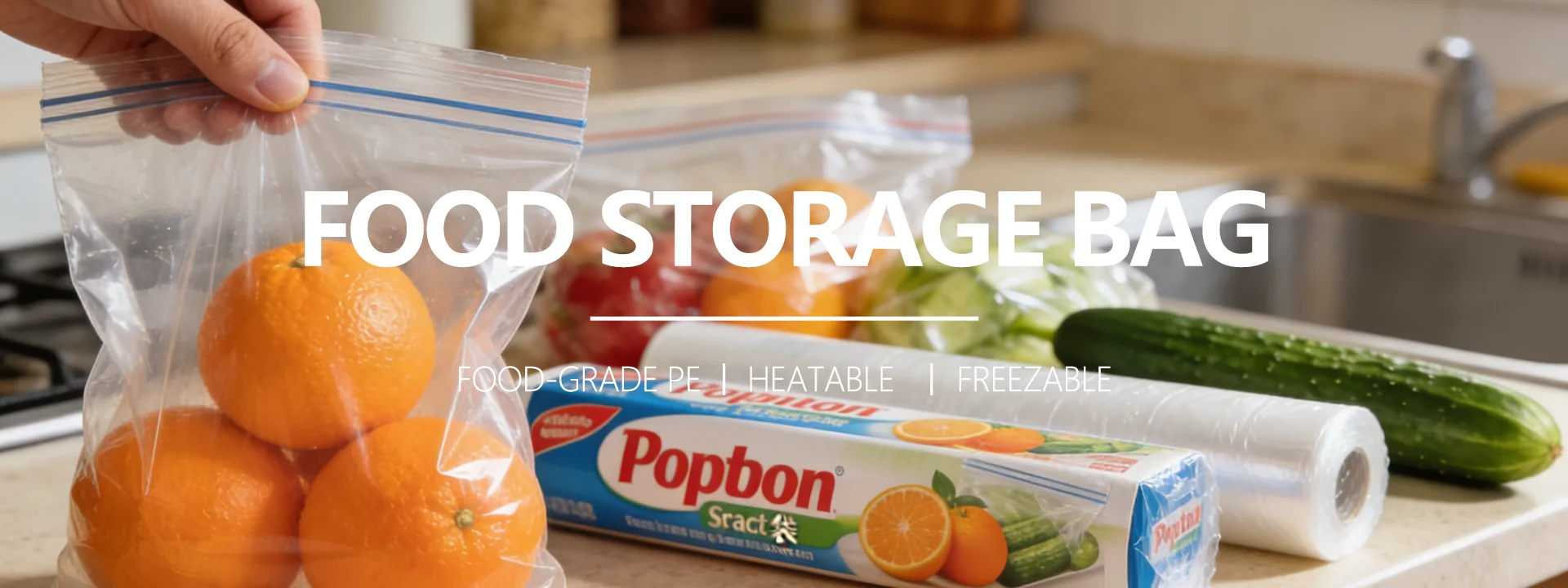
Double-seal refers to the design of two parallel sealing strips at the bag opening. Compared with single-seal, double-seal provides more reliable sealing performance. When the user presses the seal, the two strips close simultaneously, forming double protection that significantly reduces the risk of air or liquid leakage. This design is especially suitable for storing soups, sauces, and moist ingredients.
Advantages of Double-Seal
First, stronger sealing capability. The two sealing lines between the double-seal create a compressed air chamber. Even if one sealing strip loosens due to aging or external force, the other still maintains the seal, extending the food's freshness period.
Second, wider application range. For ingredients that require long-term freezing, double-seal can better prevent frost from entering the bag, reducing quality deterioration caused by freezer burn. For baking enthusiasts, double-seal ziplock bags are also ideal for storing flour, sugar, and other dry ingredients, preventing moisture and clumping.
How to Correctly Use Double-Seal Ziplock Bags
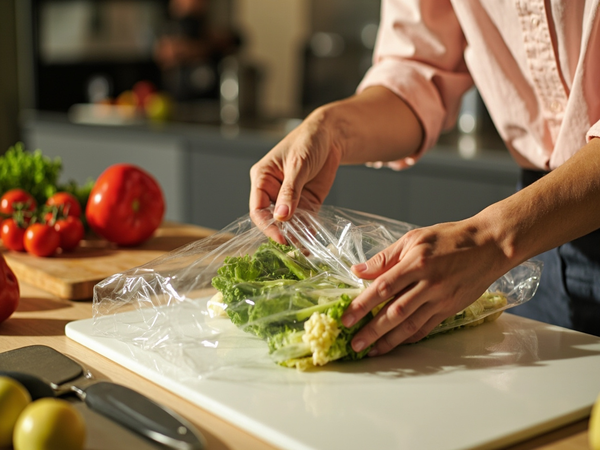
When using, first open the bag wide, ensure ingredients are placed properly inside, then press the inner seal closed first, followed by the outer seal. When closing, press evenly from one end to the other to ensure both seals are fully engaged. For vacuum ziplock bags, it is recommended to use a vacuum pump to remove air before sealing to further extend preservation.
Baodafor's double-seal ziplock bags are made of food-grade PE material, meeting national safety standards with excellent sealing performance, making them an ideal choice for household food preservation.