Shelf-Stable Food Goes Mainstream: How Retort Pouches and Aluminum-Foil Composites Replace Metal Cans
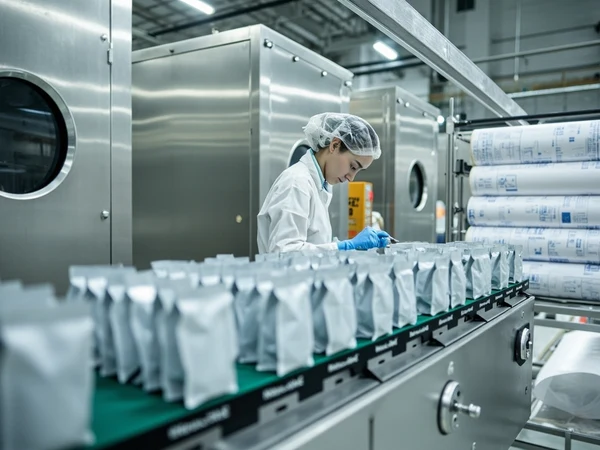
There is one quiet shift happening on retail shelves. The container holding tomato products, soups, curries, braised ready meals and convenience rice is moving from a metal can to a stand-up pouch the shopper can squeeze from. The format has a name in the industry: the retort pouch. After filling and sealing, the pouch and its contents go through wet heat sterilization at 121°C or above. The product leaves the factory already commercially sterile, needs no refrigeration, and holds on an ambient shelf for a long time on the strength of the barrier built into the packaging itself.
Moving a product from "must be refrigerated" to "sits fine at room temperature" has an industry name too, and it is called ambient or shelf-stable conversion. It is not a simple container swap. It is a full reconstruction in which the sterilization process dictates the packaging structure, and the packaging structure in turn dictates material demand. Every link along the supply chain changes its selection logic along this route.
1. The driver is not packaging cost — it is removing the cold chain
When people discuss flexible packaging replacing rigid packaging, they usually start with unit cost and freight. But for food companies, ambient conversion usually lands on the agenda because of three bills created by the cold chain.
The channel bill. How densely the cold chain is built decides where a product can be sold. Every additional cold cabinet, temperature-controlled warehouse or refrigerated vehicle is a separate capital commitment, and once that infrastructure exists it locks in the rest of the distribution model. After conversion, the product can travel down through supermarkets, small convenience stores, contract catering and canteens all the way into counties and townships, without requiring a cold source at every single outlet.
The break bill. The most expensive part of a cold chain is not the equipment, it is the record that cannot be rebuilt after a break. One temperature excursion in transit, one power cut in a store's cabinet, one gap in the handover temperature log, and the quality verdict for the entire lot has to be made again from scratch, with the customer's claim and the liability question following it. An ambient product generates no temperature break across logistics, warehousing and retail, which shortens the chain of responsibility for quality records dramatically.
The turnover bill. Refrigerated product is budgeted in weeks. Cold cabinet slots and transport capacity remain the bottleneck. An ambient product is budgeted in months or even years, so the same storage footprint turns over many more times. For long-life categories, this converts "how many outlets can we reach" from a warehousing space problem into a logistics cost problem.
2. The sterilization process imposes three hard requirements on the structure
A retort pouch has to survive wet heat sterilization in the region of 121°C for anywhere from ten minutes to several tens of minutes. The contents go through a complete thermal process, which means the packaging is no longer simply "protecting the product from outside influences" — it has to hold its structure together in high heat and humidity. That produces three hard requirements.
First, the material has to survive the wet heat. Plain PE softens and distorts in this temperature range, and the adhesives and printing inks in an ordinary laminate face hydrolysis, migration and delamination risks. The structure has to be checked layer by layer — heat seal layer, bonding interface, print layer — instead of only asking whether the material seals at all.
Second, barrier responsibility is amplified to the limit. After sterilization the product gets no remaining quality advantage from the heat treatment. Oxidation, browning, moisture loss and odor pickup are governed entirely by the package barrier. Oxygen transmission, water vapor transmission and light transmission stop being supporting figures and become shelf-life figures. Aluminum is the only material that pushes all three down at the same time.
Third, sealing moves from "good enough" to "zero tolerance." Pressure inside the pouch changes during the sterilization cycle, so the seal has to survive the pressure differential and thermal shrinkage of the process and still hold without leakage for the whole stored life. Seal width, seal strength, and pinholes or wrinkles in the film itself are all magnified into failures on a retort pouch.
3. How the laminate is built: aluminum in the middle, each outer layer solving one problem
A typical retort pouch is a multilayer laminate with a clear division of labor from the outside in. The outer print layer carries abrasion resistance and body. The middle barrier layer blocks oxygen and water vapor. The layer closest to the product is the heat seal layer, matched to the sealing temperature window of the filling machine. The barrier can be metallized PET or direct aluminum foil, and the trade-off is barrier consistency against laminate strength: when long-term barrier stability and high tensile strength are required, direct aluminum foil is the more reliable choice, which is exactly where aluminum foil sits in the retort pouch supply chain.
There is a trade-off here that is easy to overlook: the stronger the barrier, the harder the package is to recycle. Adding PA or EVOH can push transmission rates even lower, but every extra layer and every additional material makes downstream recycling and mono-material design harder. Companies therefore have to balance "longer shelf life" against "simpler structure" instead of stacking functional layers without limit.
One practical boundary deserves to be stated plainly: packages containing an aluminum layer are not suitable for microwave heating. That means retort pouches suit an eat-directly-at-room-temperature route, and are not the right answer for products that still need reheating, where a heat-resistant container combined with PE cling wrap or a ziplock bag for covering remains the standard approach.
4. Validating shelf life after sterilization takes a different set of tools
Having made the product does not mean it has settled. Once a retort pouch product leaves the factory, it needs its own validation logic to support a shelf-life claim.
Commercial sterility looks at whether the process reached the 12D target, meaning the survival probability of heat-resistant thermophilic spores has been reduced to an acceptable level. That depends on the sterilization curve in the retort, not on the packaging itself.
Internal pressure rise and seal integrity are the packaging checks. The finished pouch is held in a controlled temperature environment and observed for bulging, swelling or seal leakage as internal pressure rises. This is the direct test of the seal requirement described above, and it is the check that distinguishes a retort pouch from ordinary flexible packaging.
Accelerated shelf life testing runs groups at 37°C, 55°C and similar temperatures to project the quality curve at ambient conditions, combined with sensory evaluation. Color, flavor and texture generally hold up well under an aluminum laminate, but protein-rich and high-fat contents are more temperature sensitive, so the test conditions have to be set per category.
Residual moisture inside the pouch is the most underestimated variable. The product loses water during sterilization, and the structure may then lock that moisture inside. Once the product sits on an ambient shelf, moisture redistributes internally, texture softens and internal pressure changes. That means water vapor transmission of the laminate and the water content of the food have to be designed together, rather than reading a material datasheet on its own.
5. The difference between a metal can and a retort pouch lands on the consumer and the channel
From the material side the difference is obvious, but what actually determines how fast the swap happens is how the format feels to the shopper and how it behaves in the channel.
Weight is the most immediate difference. For the same contents, a metal can weighs considerably more than a flexible package, and that gap shows up directly in freight, warehousing and handling.
Opening experience decides whether the swap is accepted. A retort pouch has to tear cleanly, dispense controllably when turned upside down and squeeze out completely. That requires purpose-built structure and filling process, not a flexible bag in a different size.
Compression behavior has a weakness on each side: a metal can dents but does not leak, while a flexible package can deform under pressure and can also seep at the seal edge. Across long ocean freight and pallet stacking, this decides which structure suits which category.
Upright display is where flexible packaging wins. A stand-up pouch stands on its own and, with a paper or composite base, occupies shelf space more efficiently than a can. At the same time, note that once the base material becomes complex, the recyclability of the whole pack suffers.
The limits of applicability are equally clear. Categories with a high solid content, very large formats and products that need reheating are not always better served by a retort pouch. What the industry generally does is not blanket replacement but allocation by category: soups, sauces and ready dishes move toward retort pouches first, while large formats and products that must be reheated keep canned packaging or a heat-resistant container approach.
6. Which other parts of the supply chain move with it
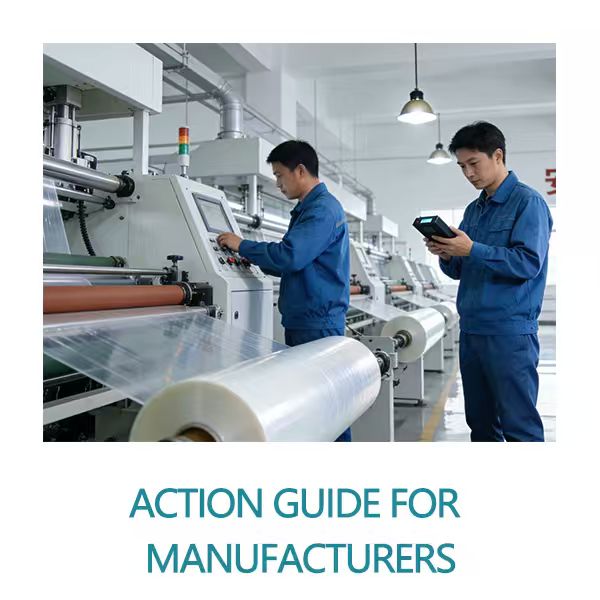
Equipment. Continuous retorts, filling machines designed for stand-up pouches, and inline internal pressure rise testing and metal detection are becoming the baseline configuration of such a line. The stability of the equipment cycle directly determines how the material behaves at sealing and conveying.
Foil and laminate substrate supply. Thickness tolerance, flatness of the lamination and batch consistency of the foil decide whether a retort pouch shows edge lifting, wrinkling or uneven sealing on a high-speed line. As the aluminum layer substrate, the specification stability of aluminum foil directly shapes the process window at the downstream laminating plant.
Inspection. Seal strength, heat seal window and pinhole detection on the film roll are routine items for retort pouches. Suppliers also often need to provide accelerated test data matched to the customer's own structure in order to support the shelf-life claim.
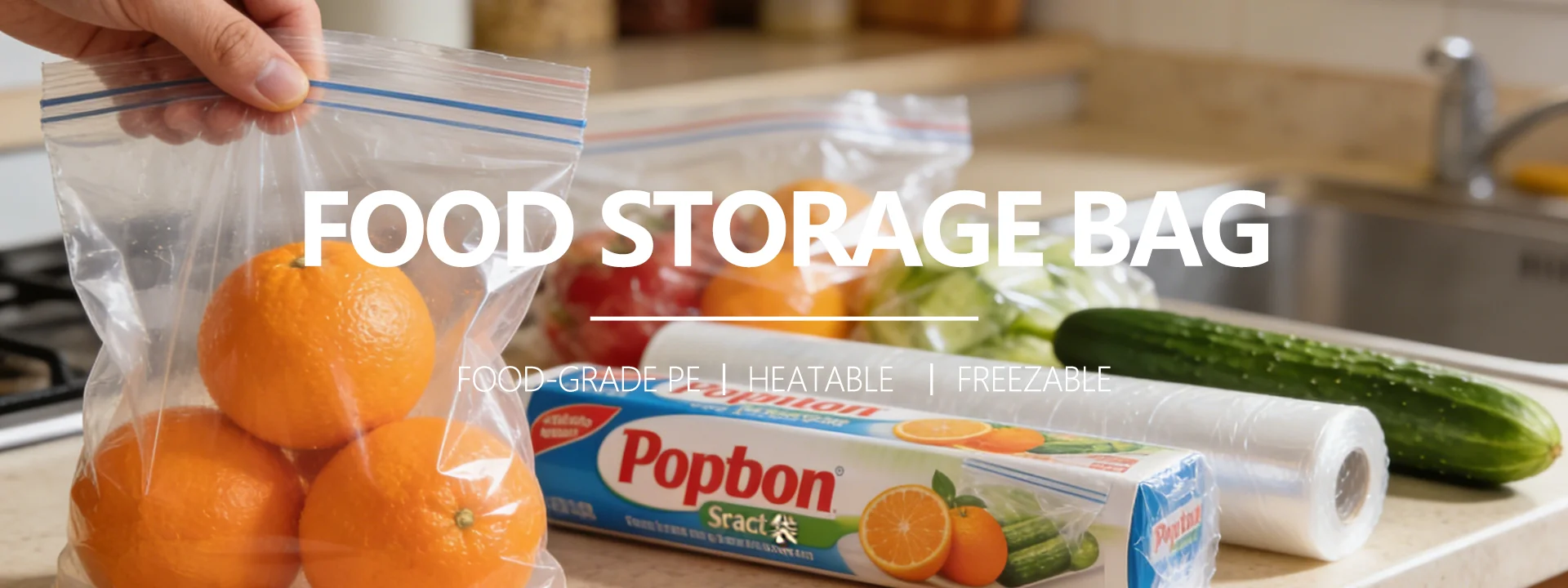
Secondary packaging. Once retort pouches are placed into outer cartons, gift boxes or household portioning packs, ziplock bags, PE cling wrap and baking paper take over the final stretch: ambient household storage, batch portioning and back-of-house covering in foodservice. Aluminum foil continues to hold its irreplaceable role in baking, roasting and as a laminate substrate.
Ambient conversion turns "choosing a packaging format" into "solving for materials under process constraints". For a packaging material supplier, being able to explain barrier structure, heat seal window, sterilization compatibility and shelf-life validation methods at the same time is what earns a place in the customer's formulation discussion, instead of appearing only in a price comparison sheet.