Categories
Tag: food grade packaging
Found 248 article(s)
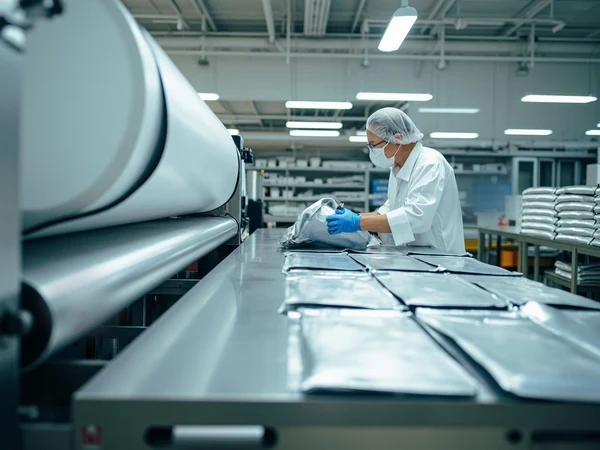
Composite Barrier Bag Structures: How Foil Laminations Deliver Oxygen Barrier, Light Protection and Aroma Retention
Single-layer films hit a barrier ceiling. This article explains the five functional layers of a composite barrier bag, the key metrics such as oxygen and water vapour transmission rates, the effect of heat seal and peel strength, and the structure matching logic for tea, coffee, nuts, bakery ingredients and prepared meals.
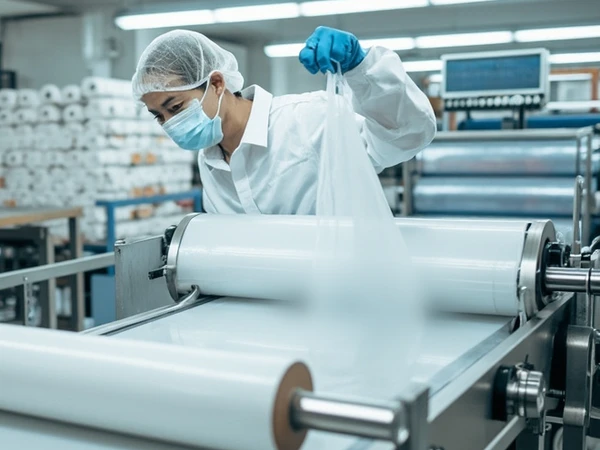
Baodafor Upgrades Workshop Static and Dust Control to Improve Packaging Surface Cleanliness and Appearance Quality
Surface cleanliness matters as much as food safety for film packaging. Baodafor moves workshop static and dust control into a managed system: grounding and ionising bars, zoned humidity control, standardised changeover cleaning, and per-roll checks that remove specks, dust attraction and scratches at source.
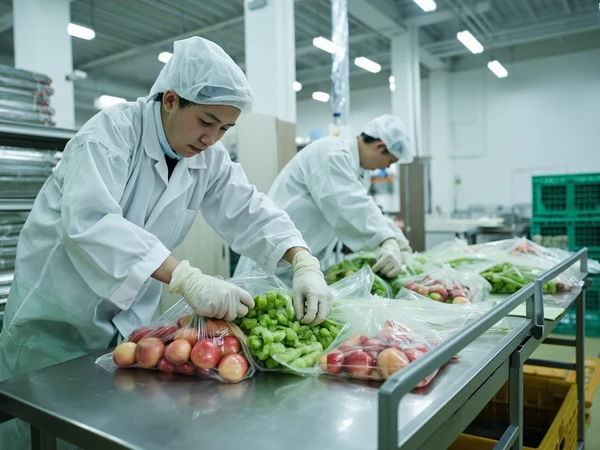
Demand for Post-Harvest Packaging of Fruits and Vegetables Keeps Growing: Pre-Cooling and Cling Wrap Become Key to Reducing Loss
Most fruit and vegetable loss happens within the first hours after harvest. This article analyses the sequence of pre-cooling and packing, common packing methods at production sites, film specification matching by category, food contact safety and how buyers now weigh packaging cost against avoidable loss.
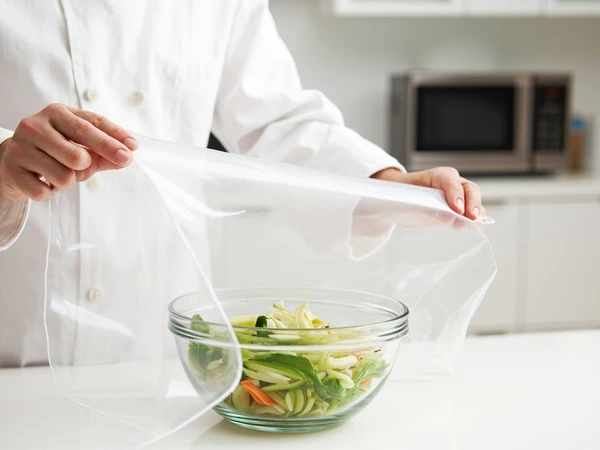
Heat Resistance of PE Cling Film: Practical Limits for Covering Hot Food and Microwave Heating
Heat performance of PE cling film depends on resin formulation, film thickness and contact conditions. This guide explains how to cover hot food safely, how to judge microwave suitability, and four practical rules for heating and storage.
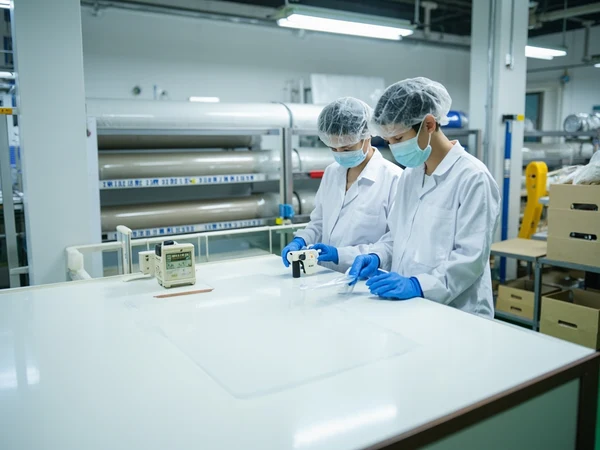
Baodafor Streamlines New Product Sampling Process, Shortening the Sample Trial and Validation Cycle
Baodafor restructures its sample trial and validation workflow, consolidating sampling steps into a standardized procedure that shortens sample delivery cycles and closes the loop from requirement confirmation to customer feedback collection.
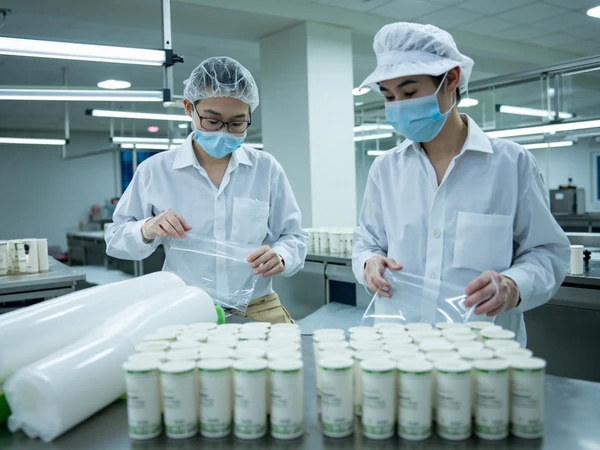
Tea and Coffee Chain Expansion Turns Cup Sealing Films into a New Growth Driver for Food-Grade PE Film
As prepared tea and coffee chains expand, cup sealing films become a mandatory consumable used on every cup. This article analyzes the demand shift, three product requirement lines covering sealing compatibility, durability and food contact safety, supply chain consistency expectations, and the path from commodity film to scenario-defined custom packaging for food-grade PE film suppliers.
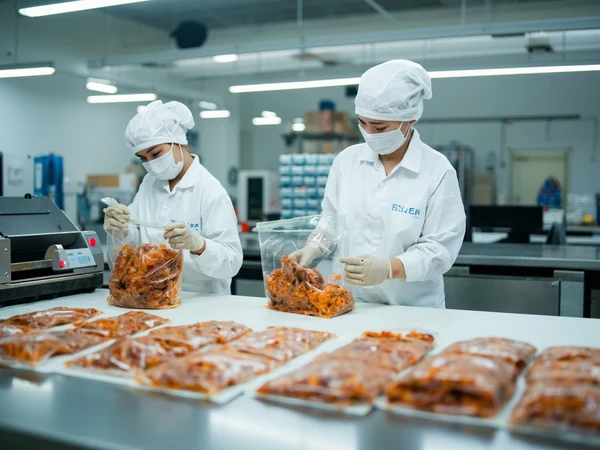
Oil Resistance of Ziplock Bags: How to Choose the Right Film for Braised, Fried and Sauced Foods
Oil seepage in ziplock bags usually comes from three paths: film permeation, seal leakage and pinholes. This article breaks down the variables behind oil resistance and gives practical guidance on film selection and packing steps for braised, fried and chilled oily foods.

Baodafor Builds Order Scheduling and Capacity Evaluation, Making the Plan Transparent from Order Review to Line Dispatch
Baodafor builds an order scheduling and capacity evaluation mechanism covering order review, per-process capacity calculation, material kitting and work order dispatch, making lead time commitments more accurate and rush order responses more controllable.
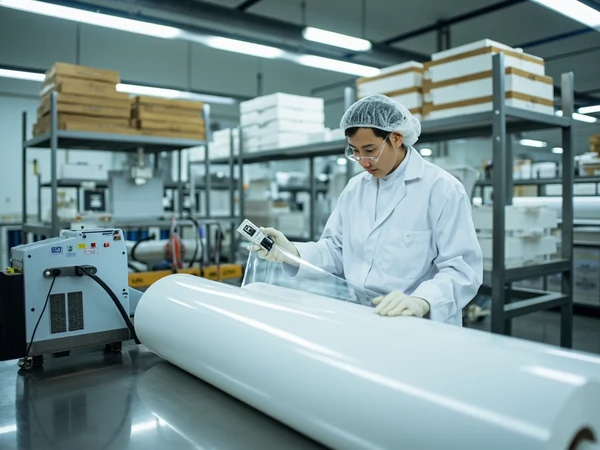
Baodafor Upgrades In-House Material Performance Testing, Building Full-Process Verification from Raw Materials to Finished Products
Baodafor upgrades in-house material performance testing, covering incoming material parameters, on-line thickness control and routine finished-product verification, so every batch of ziplock bags, cling wrap, aluminum foil and baking paper carries reproducible performance data.
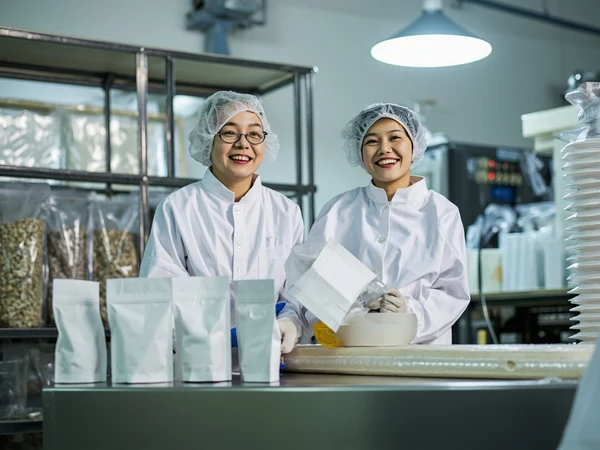
Private Label Expansion in Supermarkets and Membership Stores Drives Demand for Customized High-Barrier Food Packaging
As membership stores and supermarkets expand their private-label ranges, packaging shifts from selling material to co-designing the pack. Nuts and baked goods need foil-based barrier structures, grains and tea rely on high-barrier PE cling film and ziplock bags for moisture and light protection, and freeze-dried or bakery semi-finished products often pair baking paper with foil. Private label also brings factory audits, food-contact material documentation, retention samples and lot traceability into the packaging brief.