Categories
Tag: food grade packaging
Found 248 article(s)
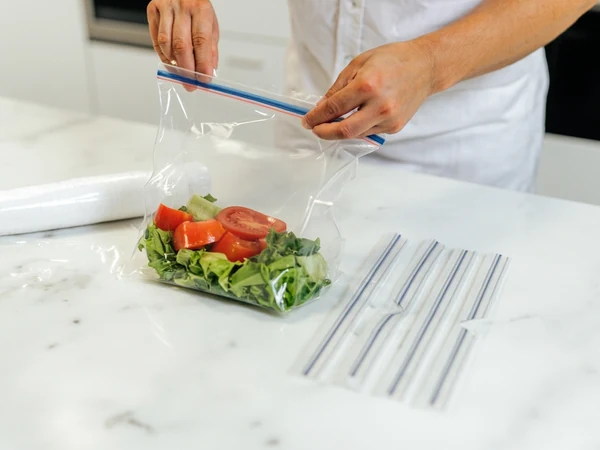
Ziplock Bag Air-Displacement Sealing: Manual Air Removal to Slow Oxidation and Condensation
Trapped air is a silent enemy of freshness in a ziplock bag: oxygen drives oxidation while moisture condenses and leaves food sitting in water. Manual air removal needs no equipment - lay the food flat, press evenly from the bottom up, and re-check the seal. Baodafor verifies seal strength, double-seal consistency and low-temperature bag durability so hand-compressed bags still hold up in cold-chain handling.
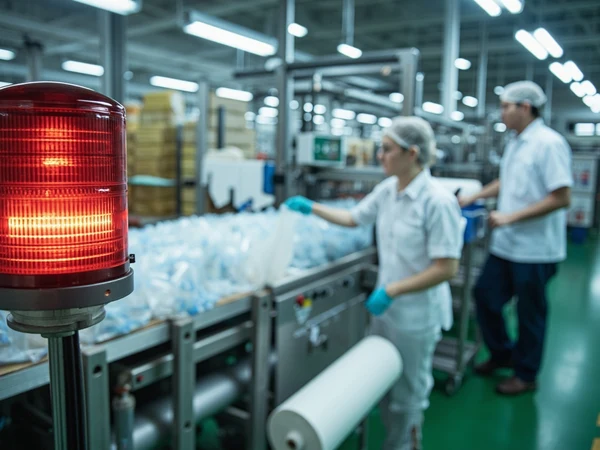
Baodafor Builds Real-Time Production Line Abnormality Response, Closing the Loop from Downtime to Restart
How fast can a production abnormality be resolved? Baodafor has established a four-level real-time response mechanism - operator-led handling, shift supervisor line-stop decisions, time-bound engineer arrival and joint management escalation - backed by a ledger that classifies root causes into equipment, process, material, personnel and planning, reviewed weekly and closed with dedicated improvement projects.
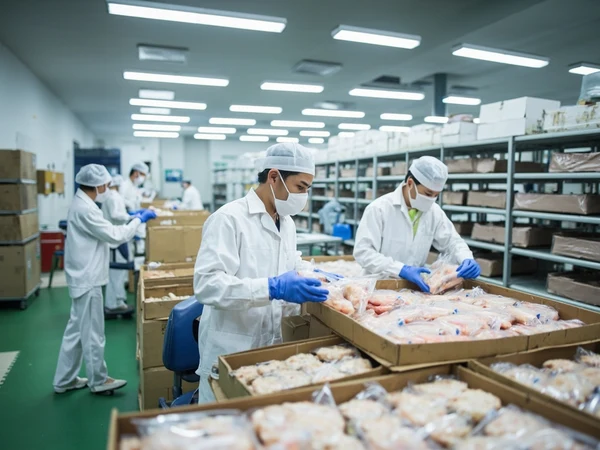
Instant Retail and Short-Chain Delivery Reshape Food Packaging Demand Toward Small-Batch, High-Frequency Orders
Instant retail and short-chain delivery break food packaging demand into replenishment cycles measured in days or even hours. Harsher delivery conditions, smaller and more frequent orders and the display value of packaging are pushing competition from unit price toward protection performance per unit of logistics cost.

Baodafor Introduces Quick Changeover on Production Lines to Cut Order Switching Time and Improve Delivery Flexibility
Multiple specifications and small order volumes make changeover the least predictable step on a packaging line. Baodafor has introduced a quick changeover mechanism across film blowing, bag making, sealing and slitting, combining work separation, forward-staged resources and standardised review to turn changeover into a measurable, repeatable process with more flexible delivery for custom small-batch orders.

Flexible Packaging Continues to Replace Rigid Packaging Across the Food Industry
Tin cans, glass jars and metal containers are steadily giving way to stand-up pouches and ziplock bags. This article reviews the shift toward flexible packaging from four angles: weight and logistics cost, shelf display efficiency, barrier performance requirements, and compatibility with automated packing lines.
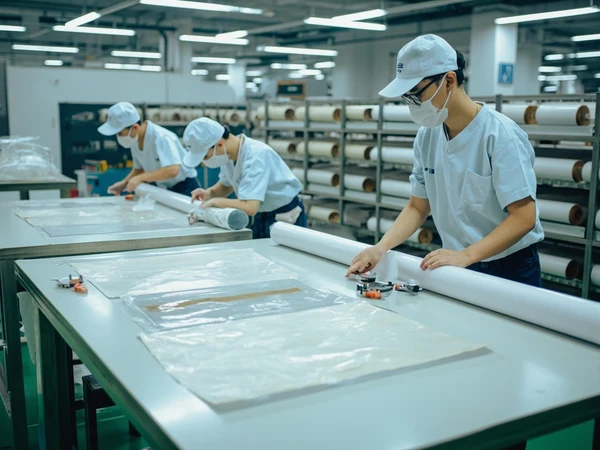
How to Choose Food Packaging Barrier Performance: Light Transmission, WVTR and Seal Strength Explained
Light transmission and haze, water vapour transmission rate, seal strength and sealing window are the core indicators behind freshness in food packaging. This article explains how they drive condensation in cold cabinets, moisture loss in chilled meat and moisture uptake in baked goods, and sets out a selection logic matched to product weight, storage temperature and shelf life.
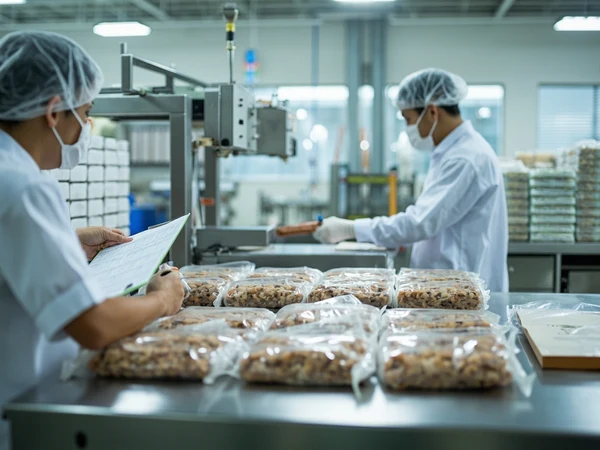
Industrialized Prepared Meal Production Accelerates, Driving Demand for Freshness-Locking Food-Grade Packaging
As prepared-meal capacity expands, packaging shifts from a cost item to the key to freshness. How ziplock bags, PE cling wrap, aluminum foil and baking paper support portioning, sealing and aroma retention, and what consistency and responsiveness upstream suppliers must deliver.
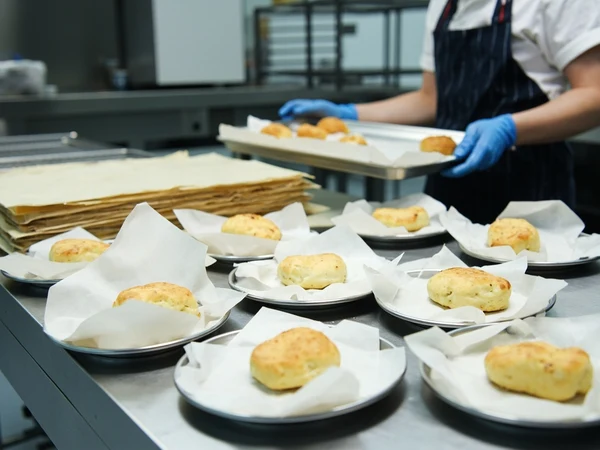
Grease-Proof Baking Paper Explained: Grammage, Coating, and Selection for Baking Scenarios
A breakdown of baking paper grease resistance across grammage, coating method, and temperature range, with selection guidance for laminated pastry, cookies, and cakes.

Baodafor Upgrades Incoming Inspection and Supplier Tiering to Control Packaging Material Quality at the Source
Baodafor upgrades incoming inspection and supplier tiering with melt flow rate and heat-seal strength checks, dynamic supplier scoring, and batch-level traceability for steadier packaging material quality.
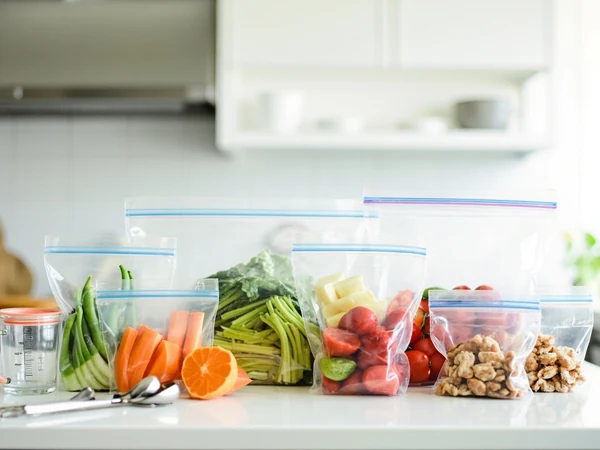
How to Choose the Right Ziplock Bag Size: A Practical Guide to Capacity, Thickness, and Opening Width
A practical guide to matching ziplock bag capacity, opening width, and thickness with different foods and storage conditions.