Categories
Tag: pe cling wrap
Found 131 article(s)
Pickled and Fermented Food Packaging: How Ziplock Bags, PE Cling Film, Aluminum Foil and Baking Paper Each Handle a Different Stage
The packaging difficulties of pickled and fermented food come down to salt, acid, light, gas and brine. This article maps each material to the stage it handles: ziplock bags for sealing, portioning and display, PE cling film for covering between process steps, aluminum foil for light and aroma blocking, and baking paper for brine absorption and separation, plus the different demands of five process steps and what to check when buying and accepting material.
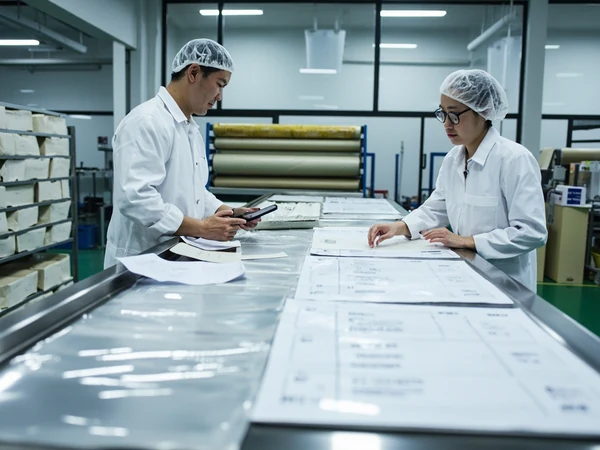
Baodafor Builds a Packaging Specification Selection System to Move Material Sizing from Experience to Standardized Comparison
Baodafor has consolidated the material selection experience of its four product lines into one unified packaging specification selection system, using shared parameter definitions, a scenario-to-material decision path, quick-reference material and sample-based trial production to move customer material selection from experience to standardized comparison.
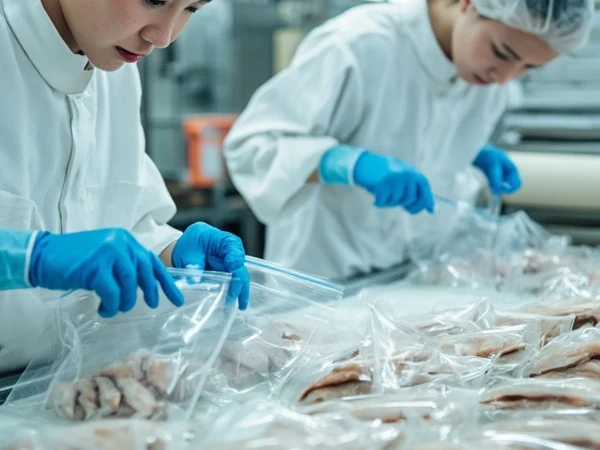
Aquatic Product Processing Scales Up: How Ziplock Bags and Aluminum Foil Handle Leakage, Odor Transfer and Oxidation
Once aquatic product processing moves into centralized plants, packaging becomes the step that decides yield and quality. This article breaks down three real problems - leakage and weight loss, odor transfer and oxidation - shows what ziplock bags, aluminum foil, baking paper and cling film each solve, and sets out where packaging appears along the chain and what to watch when buying and accepting material.
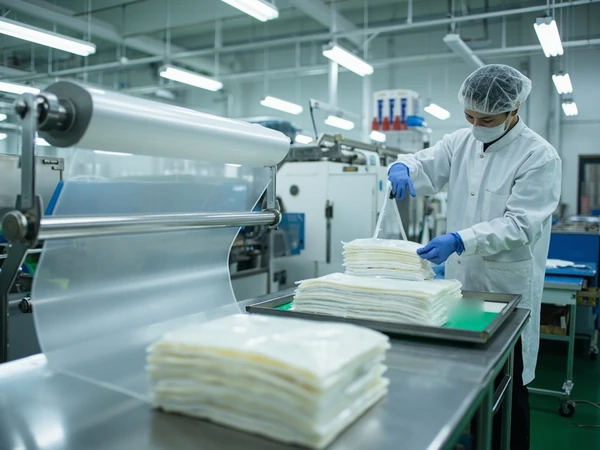
Matching Packaging to the Line: How to Select Ziplock Bag and Cling Film Roll Width and Gauge for Automated Equipment
Automated packaging lines impose hard limits on packaging specifications. This article breaks down the four groups of machine parameters that frame the usable specification range, the use cases of three feed formats, six parameters that belong in the purchase specification, and where common faults such as web drift and sealing temperature drift originate.

Baodafor Builds Retain Sample and Shelf Life Validation for Finished Food Packaging, So Every Batch Has a Verifiable Expiry
Packaging problems rarely surface on the day of release; they emerge months later or through a customer complaint. Baodafor now validates shelf life through batch-level retain samples and periodic re-inspection, binds the sample ledger to work orders, inspection reports and equipment parameters, and sets differentiated validation indicators and early-warning rules for ziplock bags, cling wrap, aluminum foil and baking paper.
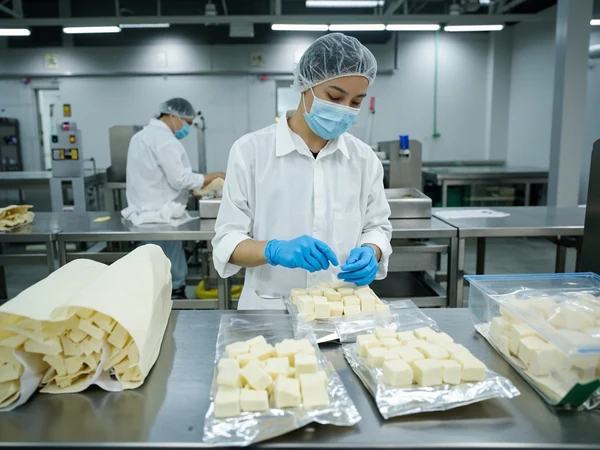
Dairy Packaging Selection: Ziplock Bags, Cling Wrap and Aluminum Foil for Yogurt, Cheese and Butter
Yogurt loses moisture and takes on contamination, cheese and butter oxidize and pick up odors, cream collapses. Different dairy products fail in different ways. This article breaks down what ziplock bags, cling wrap, aluminum foil and baking paper each do well, maps them to specific product types, and covers the overlooked parameters: low-temperature toughness, adhesion and elasticity, the barrier-thickness balance, and odor migration.
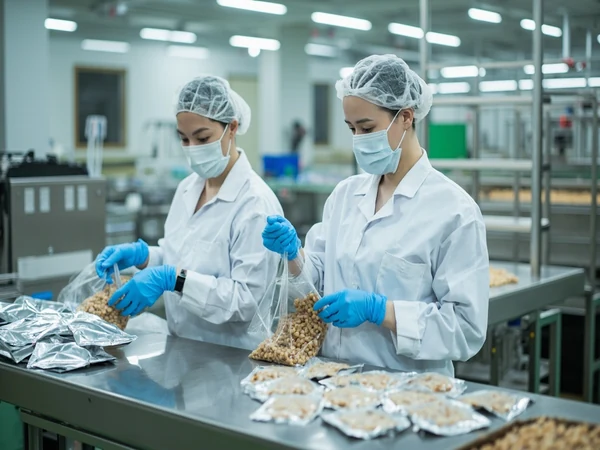
Pet Food Packaging Demand Rises: Selecting Aluminum Foil, Ziplock Bags and Cling Wrap for Freeze-Dried Treats and Fresh Meat Recipes
Pet food packaging follows a selection logic of its own. Aluminum foil protects freeze-dried treats from light and aroma loss, ziplock bags handle portioning and repeated access, and cling wrap manages post-opening storage at home. Specification should focus on food-contact compliance, barrier data, closure format and size matching.
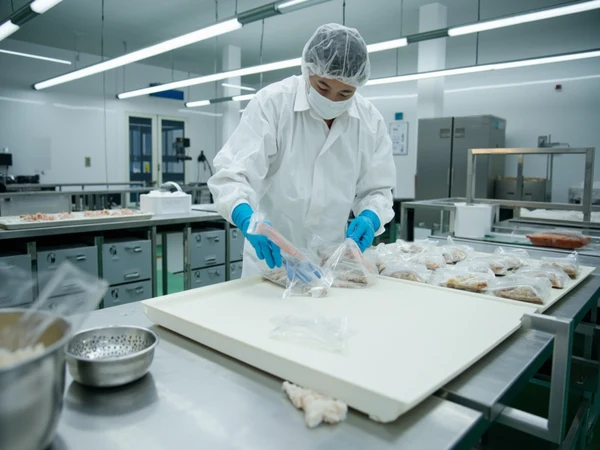
How Ziplock Bags and Cling Wrap Block Cross-Contamination: Practical Steps for Raw-to-Cooked Separation and Kitchen Protection
Where does cross-contamination actually come from? This article maps the four contamination paths, shows how ziplock bags, cling wrap, aluminum foil and baking paper work as a physical barrier, sets out portioning and storage rules for raw-to-cooked separation, and closes with three practical points for buyers and users.

Baodafor Standardizes Blade and Tooling Management in Slitting and Bag Making for Consistent Cut Dimensions and Seal Strength
Slitting and bag making are the steps in food packaging production most sensitive to detail. Baodafor brings blades and tooling into daily control through three nodes - issue and storage, pre-use inspection, scheduled replacement - combined with a reset and first-article confirmation after every change. The result is stable cut dimensions, edge appearance and seal strength across batches, with fewer returns and complaints.
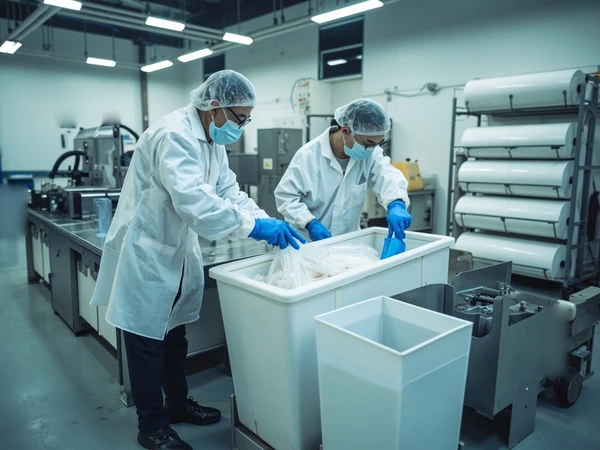
Baodafor Builds a Closed-Loop Recycling System for Film Trim Waste, Enabling In-Line Reuse from Slitting to Bag Making
How can film trim from slitting and bag making become a traceable in-process input? This article breaks down where PE trim waste comes from, the three technical barriers that stop it from being reused directly, the four-step sorting, grinding, filtering and blending loop, and how reuse ratios, retained samples and buyer due diligence work in practice.